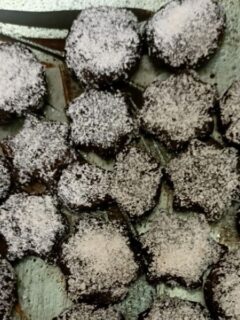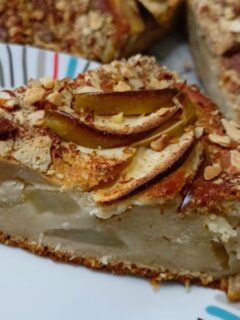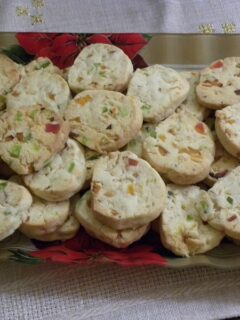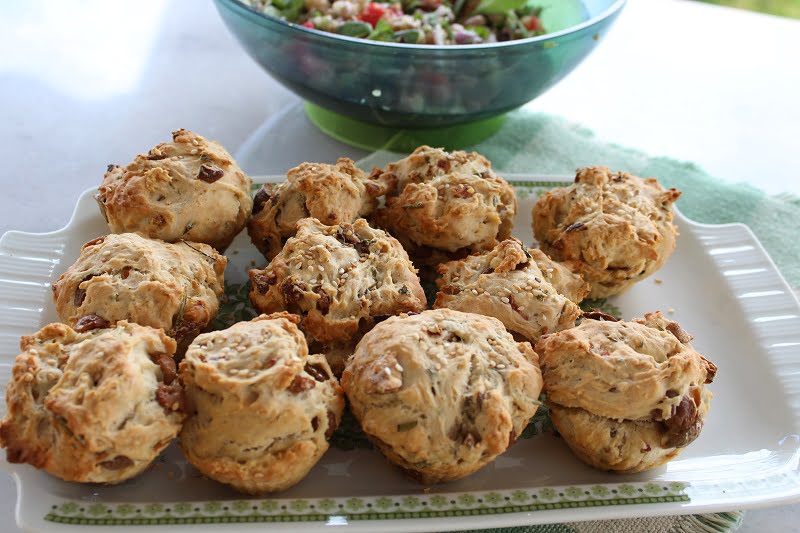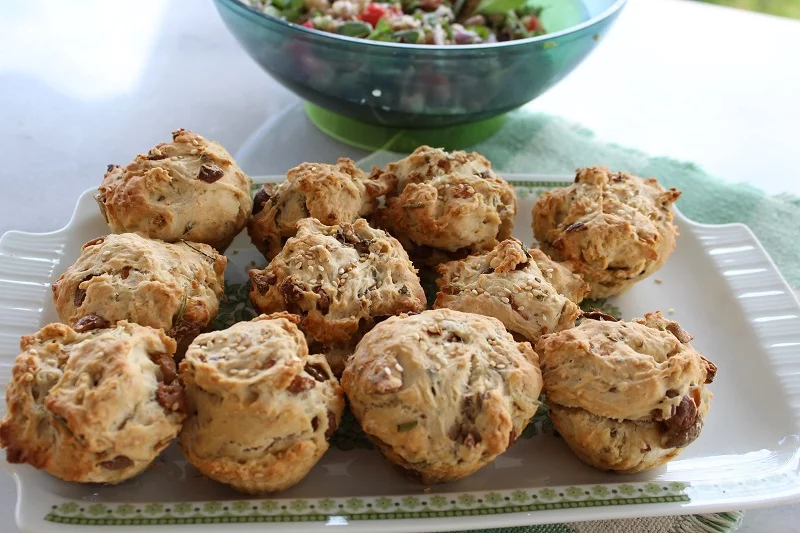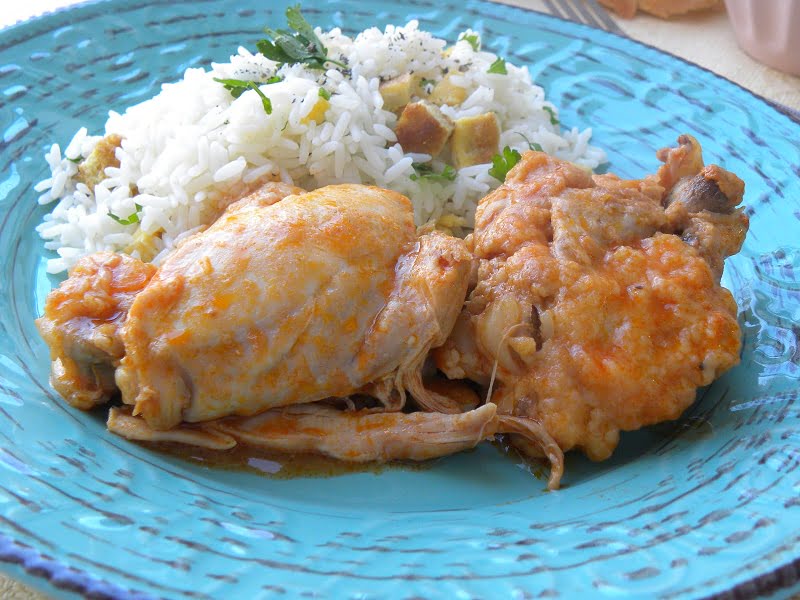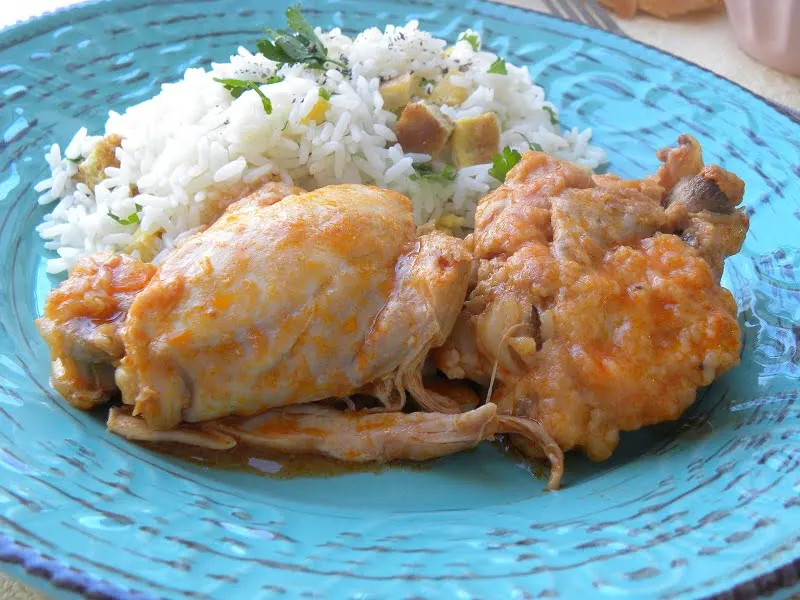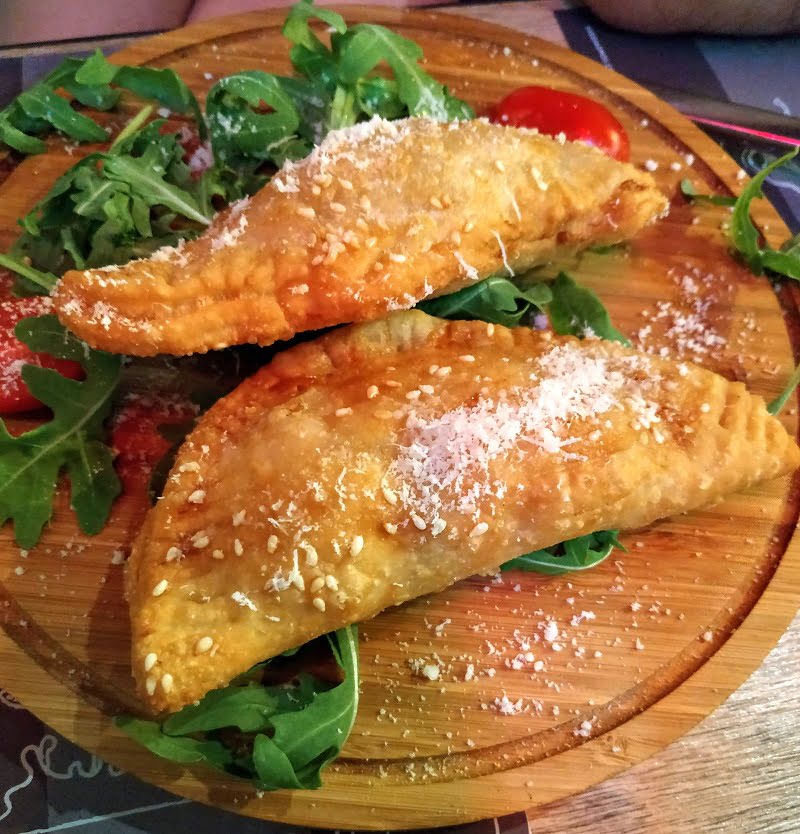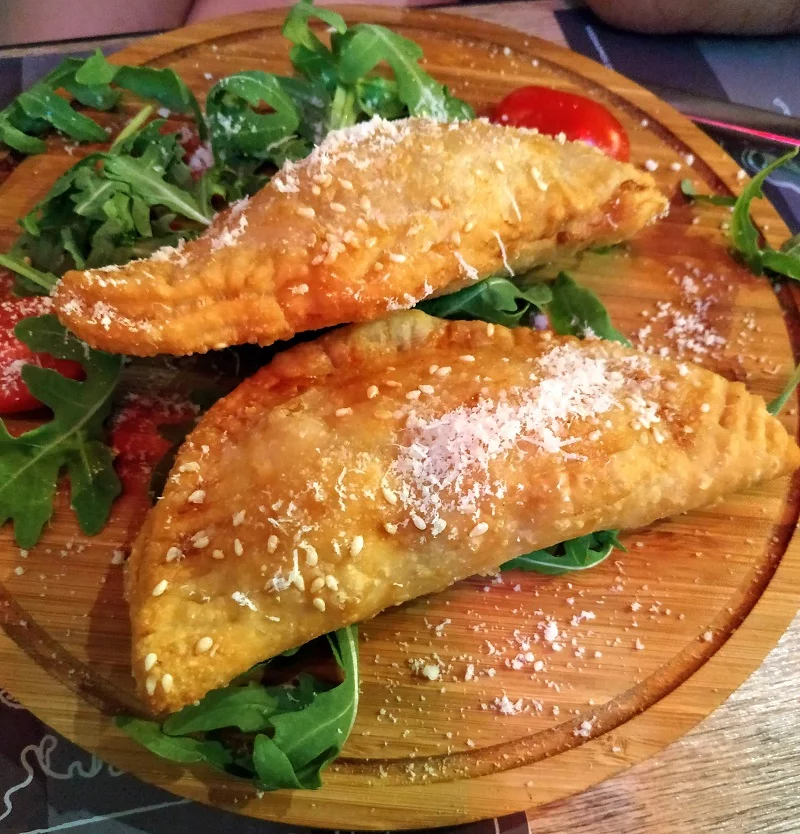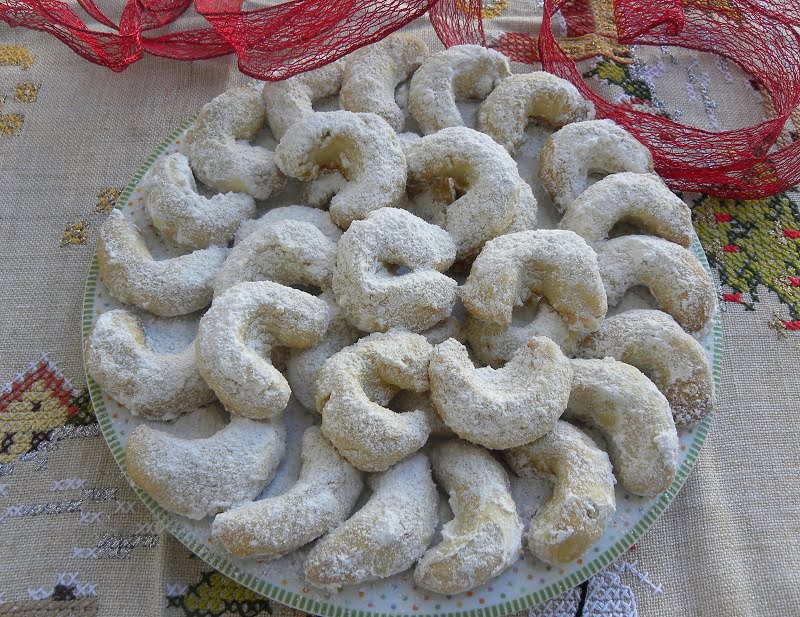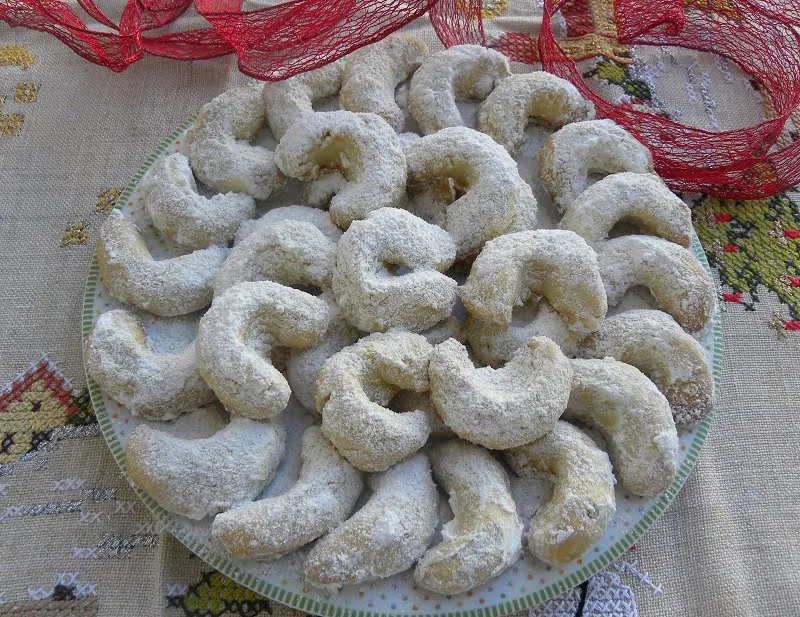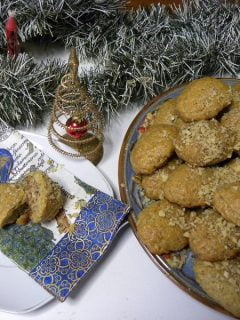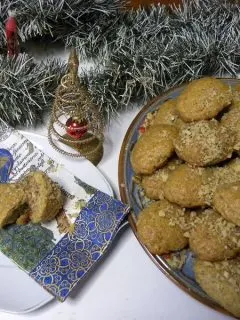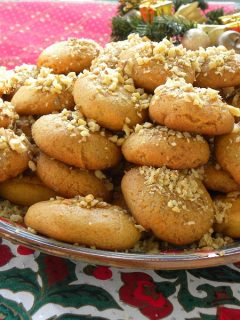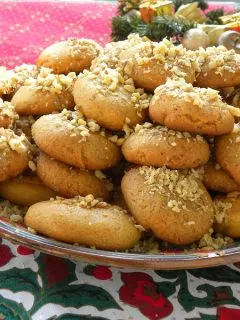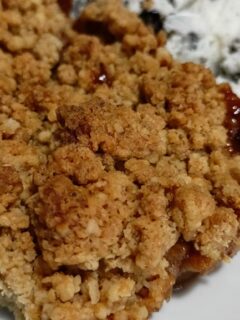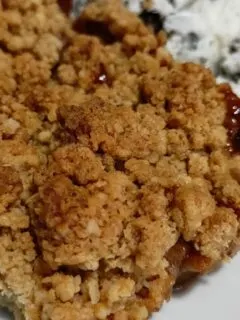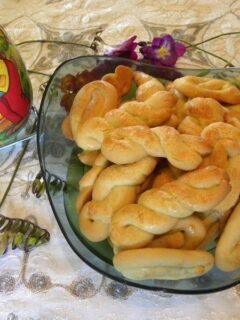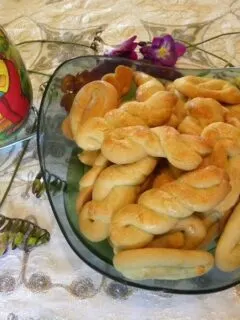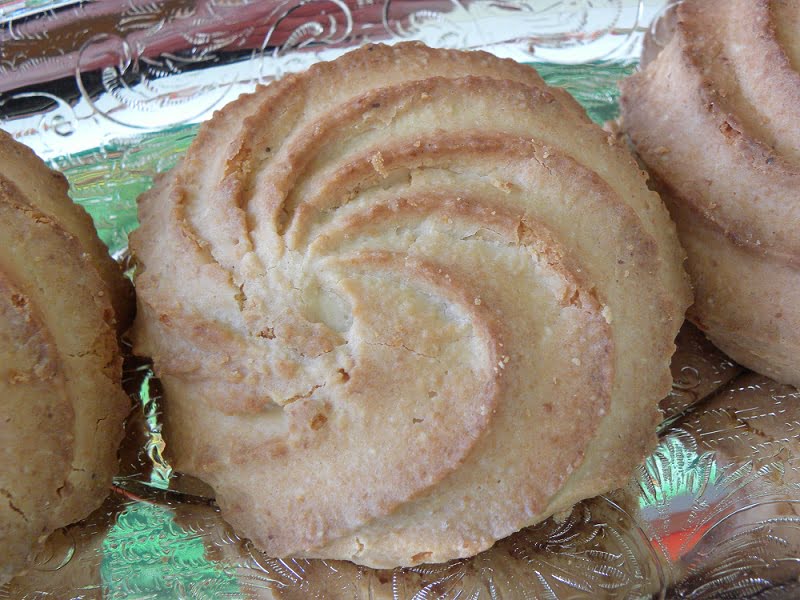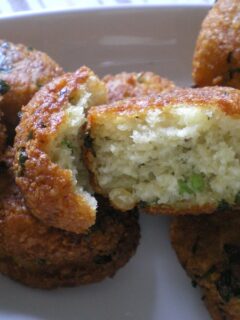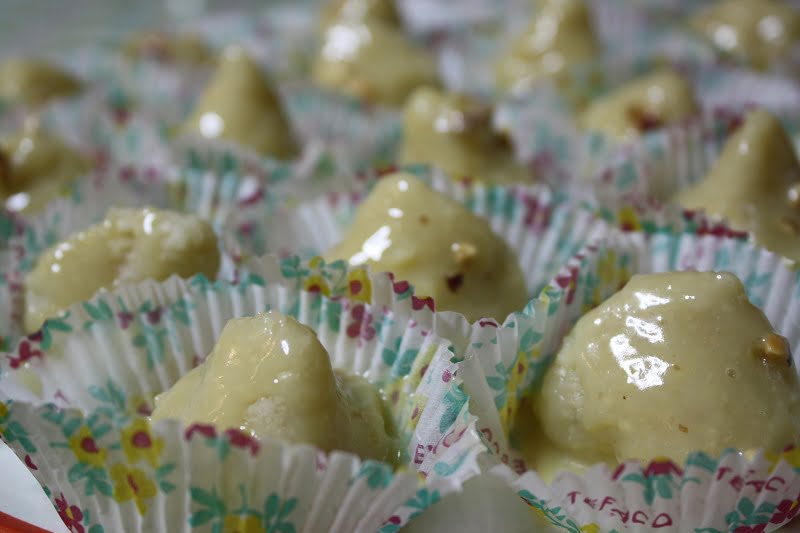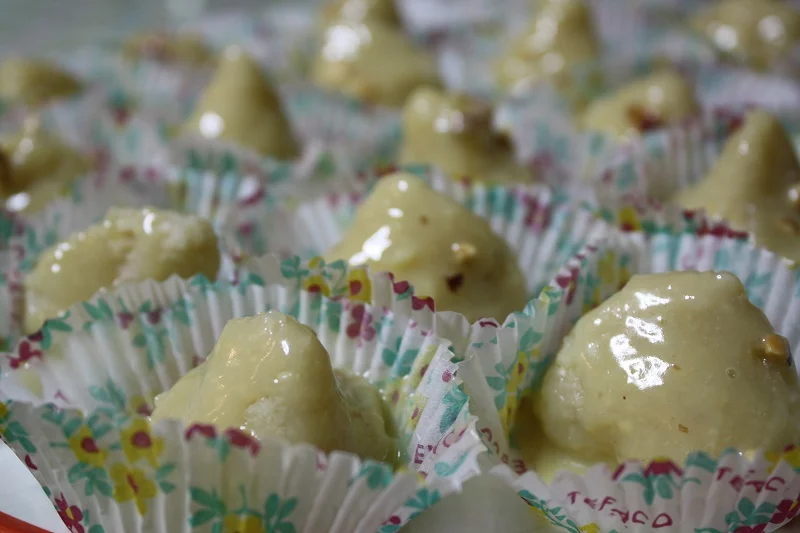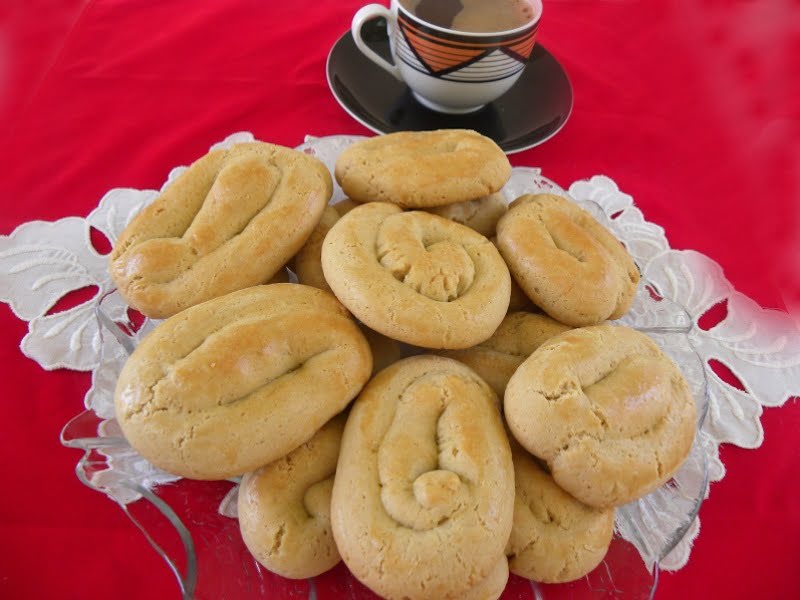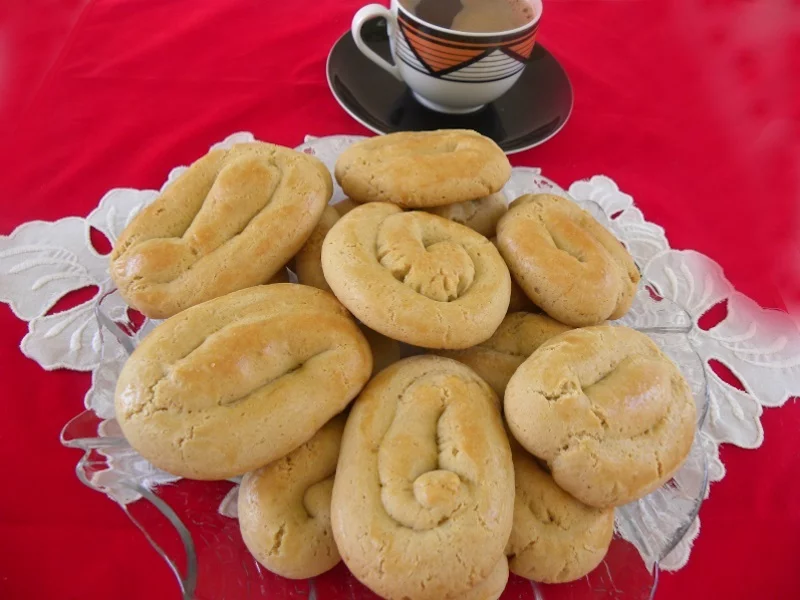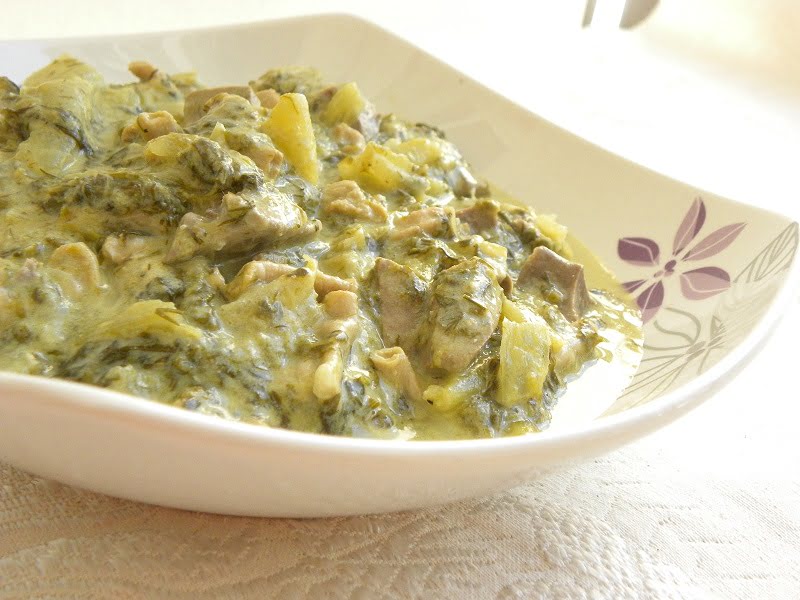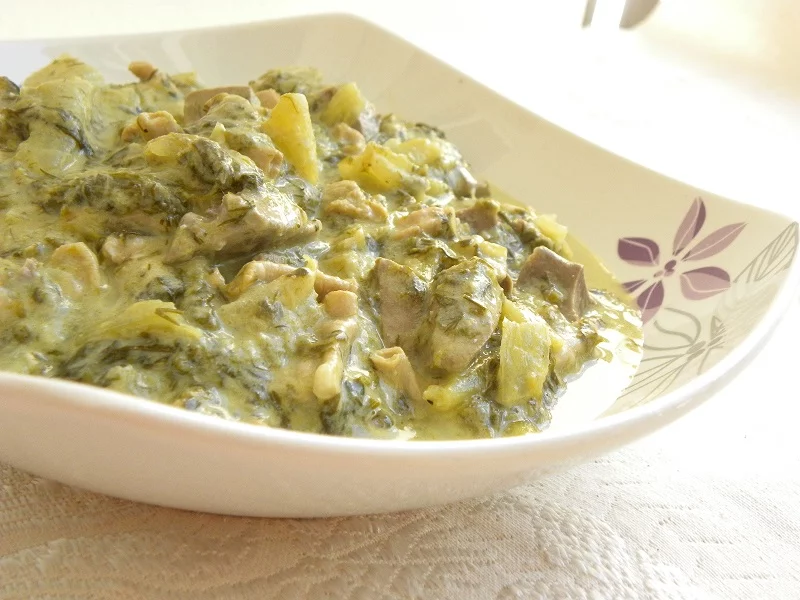
I made these cookies last June when my son was still living in Switzerland and came to visit us for a few days. I made them the day before he left so that he could take some with him and share them with his room mates, but by the next day the three of them were eating them and there were much less than I expected for him to take with him.
I was google searching for cookies when I found this one at The Joy of Baking. As Stephanie Zarowski says, these shortbreads are traditionally a Christmas cookie made with just four ingredients, butter, sugar, vanilla extract, and flour. They are a rich cookie with a delicate buttery flavor. These cookies freeze very well so they are the perfect cookie to make for the holiday season.
I adjusted the recipe as I wanted to make a lot of cookies and just made a few minor changes to the recipe, adding lemon zest, as I love the taste of lemon. I used self raising flour merely because I did not have all purpose flour and added some corn flour, as she suggested. After cutting the cookies and putting them in the baking tin, I sprinkled them with a little sugar on top.
After they were baked I still thought that something was missing, as the taste of lemon was not very noticeable, so as I had more butter I decided to make a lemon butter cream to give them an extra lemon taste. These cookies were perfect and melted in your mouth.
Lemon cookies
Makes 64 double cookies
Ingredients
- 360 grams butter, softened
- 1 tbsp finely grated lemon zest (preferably from organic non waxed lemons)
- 160 grams icing sugar
- 500 grams self raising flour
- 80 grams corn flour (starch)
For the filling:
- 125 grams butter, softened
- 1 tsp vanilla extract
- 1 tbsp finely grated lemon zest
- 160 grams icing sugar, sifted
Directions
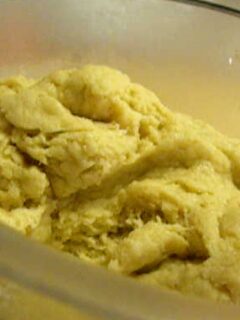
- In the bowl of your mixer cream the butter until smooth. Add the lemon zest and icing sugar and beat on high speed until smooth and creamy (about five minutes). Reduce speed and gently fold in the flour and corn flour until fully incorporated. Remove to your working surface and knead until smooth. Wrap in cling film and chill for about 30 minutes until firm.
- Preheat the oven at 180°C (350°F).
- Roll out half the dough between sheets of cling film and using a cookie cutter, cut out the cookies. Add any scraps of dough to the remaining dough and roll out as before and continue until all the dough is used.
- Line the baking tin with parchment paper and place the cookies, leaving a gap between each cookie so as not to stick together when baked.
- Bake in the preheated oven for about 10 minutes or until lightly browned.
- Remove to a wire rack to cool and continue baking the remaining.
- Put all the filling ingredients into a bowl and beat together with a hand mixer until smooth and creamy.
- When the cookies have cooled, spread the filling on one of the cookies and sandwich with a second.
If you have missed my previous post, there is still time to leave a comment and win a very useful kitchen gadget.
Other relevant recipes:
Kourabiedes (Greek Christmas Shortbread Cookies)
Melomakarona (Greek Honey Cookies)
Orange flavoured Almond and Pecan Cookies
Bitter Chocolate Ginger Cookies
Tags: buttercream, Christmas, cookies and biscuits, Lemons
It’s been very hectic the past days with so many things to do that I hardly find time to post or visit my favourite blogs. I am going to make a quick post because I want to thank all of my readers which have reached Kopiaste to over 1.000 hits a day.
Melomakarona are our Christmas Cookies, which I have posted last year and the year before so this year there was no point of posting the same recipe again by just changing a few ingredients.
I decided to make a recipe of my own, without of course changing the whole taste and texture of this delicious, honey bathed cookie. I used all the main ingredients of memomakarona which is olive oil, sugar flour and semolina but there is something different in the flavour and in the filling.
As you may see from the picture I have shaped the melomakarona different than the traditional way and I did not use a box grater but I used “something else” this year, something we probably all have in our kitchens.
Melomakarona are not filled cookies (and if they are they are probably filled with walnuts) but I decided to fill it with “……….” an ingredient which Greeks would not expect when eating melomakarona. After bathing the melomakarona in the honey syrup I used a special flavoured chocolate and dipped the melomakarona in and then I covered half of them with a different type of chocolate shavings and the other half with pistachios.
I am not going to reveal the “secret ingredients” but if you would like to win a professional pair of Kitchen Scissors, with which you can cut herbs, meat, paper packages, parchment paper, it can even cut the bones of a chicken, here is what you have to do.
You have five ways to win. Choose whichever suits you best. If you choose all five you will have to leave a separate comment for each entry so that you have five different numbers. The winner will be selected from Random.org.
1. Leave a comment telling me what you think about the melomakarona.
2. Leave a comment guessing one of the four underlined secret ingredients.
3. Twitter it and tell me you did - make sure to leave your twitter user name.
4. Leave me a message on the post on Facebook and tell me you did.
5. Blog about it in one of your posts and provide the link in the comment.
The giveaway is not only for bloggers but it is for all my readers (including the Greek blog) who will have to provide a valid address if they win. (No P.O. boxes please) and I will ship it anywhere you are. The comments of the Greek blog will count after the comments here e.g., if there are 20 comments here and 5 on the Greek blog, they will count as numbers 21, 22, 23, 24 and 25. The winner will be announced on Thursday the 24th December.
From now on you will be seeing a lot of my recipes without the ingredients as I am planning to publish a cookbook so I will be keeping some of my original recipes to myself without revealing the ingredients.
However, in case you like one of my recipes and you will want it, please e-mail me and I will gladly provide you with the recipe. Non bloggers may use the contact form which is above the header.
Othe relevant recipes:
Melomakarona with pecans
Melomakarona (the classic recipe)
Tags: cookies and biscuits, Giveaway, Honey, Melomakarona
This time of the year I don’t feel like posting any other recipes than cookies or cakes so I’ve opened my file and found lots of recipes I made throughout the year and I think this would be the best time to post them.
I am starting with one recipe which I made last Christmas but did not manage to post and which are a real temptation. Even the Angels think so!!
Peanut butter cookies with raspberry jam
Preparation time: 20 minutes
Baking time: about 15 - 20 minutes
Ingredients:
- 1 cup all-purpose flour
- 1 teaspoon baking powder
- 1 1/2 cups peanut butter
- 1/2 cup unsalted butter, at room temperature
- 1 1/2 cup granulated sugar
- 1/2 cup brown sugar
- 2 large eggs
- 6 tablespoons raspberry jam
For frosting:
- ¼ cup peanut butter
- 1/2 cup icing sugar
- 3 tablespoons whole milk
Directions:
- Preheat the oven to 180° C. In a bowl, stir together the flour and baking powder. Set aside.
- In the mixer bowl, blend 11/2 cup of the peanut butter with the butter on medium speed. Add the granulated sugar and brown sugar and beat until smooth, about 10 minutes. Beat in the eggs until incorporated. Stir in the reserved flour mixture until just combined. Make small balls and then flatten to 4 centimetres diameter cookies and ½ centimetres thick and lay them about 6 centimetres apart on 2 lined baking tins.
- Using your thumb (I used the back of the mallet) gently press the centre of each cookie. Spoon about 1/2 teaspoon of jam into each centre.
- Bake until lightly golden, about 20 minutes. They will still be soft if you touch them. Remove to a rack and cool completely.
- In a small bowl, beat together the remaining 1/4 cup of peanut butter and the confectioners’ sugar. Whisk in the milk, a little at a time, until the frosting reaches a good consistency for piping and pipe the frosting over the cookies.
Tags: Christmas, Cookies, cookies and biscuits, peanut butter, Peanut butter cookies with raspberry jam
A couple of my readers have been asking me for a recipe for Pastitsia, a Cypriot recipe for a type of cookie which is crunchy outside, soft inside and chewy. I have searched the internet but unfortunately I have not found anything regarding this recipe. When I need a Cypriot recipe I always ask my sisters for help but this time it was impossible because this recipe has been kept a secret by the confectioners. My sister asked a few of them if they would just tell her how to make them but they refused to reveal the ingredients.
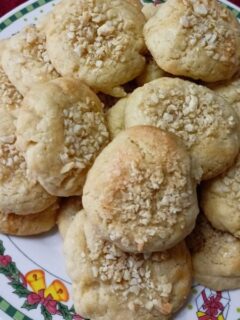
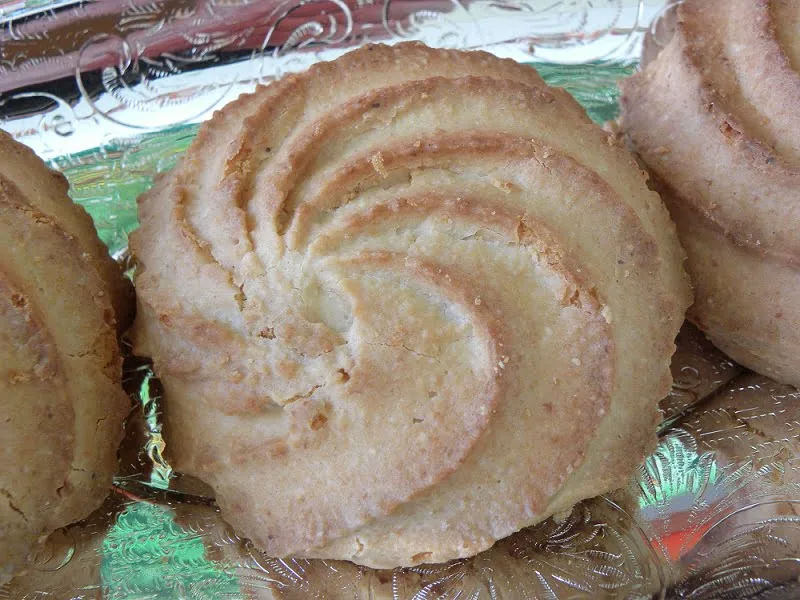
I am working on the recipe and this is my first attempt to try and figure out how to make them. Unfortunately what you see in the picture is still by far not similar to pastitsia but it can be called an almond cookie. The taste is similar but instead of being chewy this is a rather crunchy cookie both inside and outside.
in the recipe you will see 180 grams icing sugar and later on 1/2 cup icing sugar. When I made the cookies I was already baking kourabiedes as well and by the time that the kourabiedes were baked the meringue in the cookies became watery so I had to pick it up again and add that extra 1/2 a cup of icing sugar and the flour which was not part of the recipe. The dough was quite sticky but I did not want to add more flour to it asthere was no baking soda, no egg yolks or baking powder in the mixture.
I made 16 cookies but you will probably make around 20 as some of the mixture was waisted the first time when I transferred them back in the bowl to add the remaining sugar and flour.
Almond Cookies, Recipe by Ivy
Almond cookies
Preparation time: 20 minutes
Baking time: about 15 - 20 minutes
Makes: about 16
Ingredients:
- 3 egg whites
- 1 tablespoon lemon juice
- 200 grams blanched and roasted almonds
- 180 grams icing sugar
- 1 tsp vanilla essence
- 2 tablespoons corn flour (starch)
- 1/8 tsp salt
- ½ cup icing sugar
- 1 cup self raising flour (about)
- Additional whole roasted almonds for decoration
Directions:
- Blanch the almonds and roast them for about 20 minutes and set aside to cool. Reserve some for decoration and the remaining powder them.
- Sieve the flour and mix in the salt.
- Whisk the egg whites with the lemon juice and then mix in the vanilla essence, corn starch and icing sugar.
- Fold in the flour (and remaining sugar).
- Line a baking tin with parchment paper.
- Place a tablespoon of the cookie mixture on the parchment paper and a roasted almond on top.
- Bake in a preheated oven at 180o C for about 15 -20 minutes.
Other relevant recipes:
Amygdalota with White Chocolate
Tags: Almonds, Amygdalota, Christmas, cookies and biscuits
Kourabiedes, as most of you, who follow my blog, must know by now, are the Greek shortbread cookies which are coated with icing sugar. I have been making kourabiedes for many years and a very significant factor to have tasty kourabiedes lies mainly in the quality of butter used.
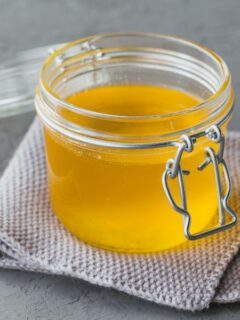
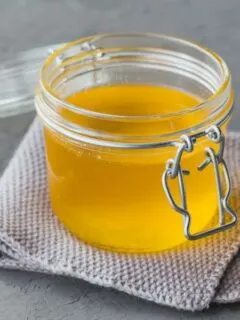
This year I made them with a butter I never used before and quite frankly I was really afraid what the outcome would be. I asked my husband to bring sheep’s butter and instead he brought a Cretan butter called Stakovoutyro, made of sheep’s and goat milk. Staka is the fresh cream skimmed off the top of milk and Stakovoutyro is a the buttercream (like clotted cream) made by cooking staka. I know that all Cretan products are delicious but I didn’t know if I could use this butter to make kourabiedes. On the back of the jar it said suitable for cooking and for desserts, so I risked making them and the result was fabulous.
This year I flavoured them with mastic liqueur and vanilla which gave them a wonderful flavour. They were perfect in taste and each bite they melt in your mouth, making you want to eat more and more.
Kourabiedes with Stakovoutyro, Recipe by Ivy
Makes: About 40
Ingredients:
- 375 grams stakovoutyro, at room temperature
- 125 grams blanched and roasted almonds
- 125 grams icing sugar
- 680 grams all purpose flour
- 30 grams mastic liqueur
- ½tsp vanilla essence
- 500 grams icing sugar, for coating
Directions
- Blanche and roast the almonds in a preheated oven at 180 degrees C for about 20 minutes. Allow to cool and then coarsely cut in a food processor.
- Sieve the flour and the first amount of icing sugar, separately.
Beat the butter with the icing sugar at high speed until it becomes white and fluffy. Add the liqueur and vanilla and mix.- Stop the mixer and add two thirds of the flour. Gently mix by hand adding the almonds. Continue adding the flour gradually until the dough is soft but not sticky on the hands.
- Remove the dough on a non stick working surface or add parchment paper and flatten the dough about 1 cm. Cut with a cookie cutter and place on a baking tin lined with parchment paper.
- Bake in a preheated oven at 180 degrees C for about 20 – 25 minutes.
- Remove from the oven and turn them upside down. Using a sieve, sprinkle some icing sugar and then turn them again. Continue sieving until they are coated and then place them in a platter. The icing sugar used may be used again.
This recipe also goes to Rosa, of Rosa’s Yummy Yums, for her even Pastries For Peace.
This recipe also goes to Susan of Food Blogga for her event Eat Christmas Cookies, Season 3
Other relevant recipes:
Amygdalota with White Chocolate
Kourabiedes, Cypriot recipe and stuffed with dates
Christopsomo (Christmas Bread)
Tags: Christmas, cookies and biscuits, kourabiedes, stakovoutyro
I don’t cook soup often, maybe three of four times during the whole winter and on such occasions we prefer soups like avgolemono, giouvarlakia, kreatosoupa (meat soup with beef and vegetables) or psarosoupa same as kreatosoupa but made with fish and my favourite which is trahanas.
The weather was very mild this year and until last week the temperatures were high, around 22 - 23 degrees C so this was another reason not to make soup.
The temperature has now dropped suddenly around 15 degrees and what better than a nice bowl of hot soup.
Trahanas is a traditional Greek and Cypriot dish that has passed from generation to generation. It is usually made in the villages which breed live stock. It is mainly prepared from cracked wheat flour and a curd that is fermented. It is then formed into small oval patties and dried whereas in Greece they usually sieve it into tiny pellets.
In Cyprus they make trahanas by using goat milk which is prepared by pouring it into large earthenware containers or churns and leaving it to turn sour while turning it into a clean churn every day for about a week. On the last day, it is put on to boil with wheat and salt.
Then it is allowed to set and cool and soup can be made with trahanas, fresh as it is. When we were children we loved to eat it, before it was cooked. In the picture below you can see the fresh trahanas.
In order to preserve it for the winter, it is then shaped, and spread onto traditional shallow baskets, called tsestos or on long trestle tables or on clean sheets and left in the sun to dry.
The number of days depends on how hot the sun is. Then trahanas is stored and is used until the following year. From experience I must say that the best way to store the dried trahanas is in the refrigerator, otherwise if left outside the fridge after a long time you might get some tiny worms called “appitouria” in it.
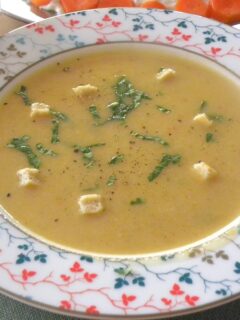
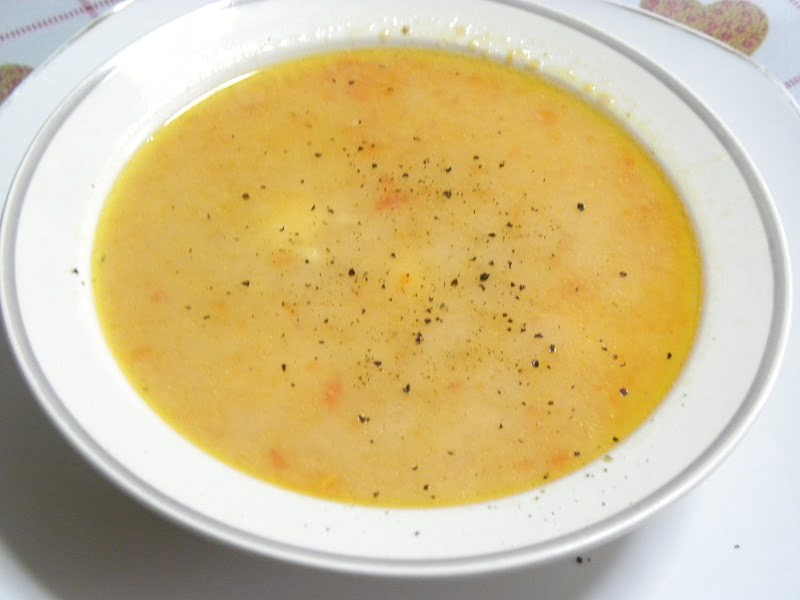
When Trahanas is boiled just as it is, it is served very hot with salt, pepper and lemon juice. Alternatively it may be boiled the way I am giving the recipe today with fresh tomato and halloumi, which makes it much tastier and creamy.
This tasty and nutritious soup is preferred by most of the Cypriots as a comfort dish but lots of years ago when they used to get up at dawn to go to their works they used to have it for breakfast.
Trahanas soup is a light, nutritious and a hearty dish, which makes it ideal for a light supper or after coming home at dawn after a night’s drinking out and having an upset stomach, or after recuperating from an illness.
This recipe goes to Debbie, of Kahakai Kitchen, for her even Souper Sundays.
Trahanas Soup with halloumi, Traditional Cypriot Recipe
Preparation time: 5 minutes
Cooking time: 30 minutesServings: 4 -5
Ingredients:
- 6 cups of chicken broth
- 11/2 cups of dried trahanas
- 3 slices of halloumi cheese (cubed)
- 2 medium sized tomatoes, peeled and blended
- Salt (optional)
- Freshly ground pepper
Directions:
- Heat the broth and add trahanas, stirring occasionally until it dissolves.
- Add the tomato as well as halloumi and boil for about 30 minutes.
- Taste and season accordingly, as broth and halloumi are both salted.
- Serve very hot with freshly ground pepper.
Other relevant recipes:
Vegetable Puree Soup with pasta
Tags: Cypriot pantry, Soups, Traditional, Trahanas
One of the dishes we tried in Rome was ravioli and I loved their sauce. I don’t know what kind of sauce they make but it was delicious and as I had never served ravioli with a sauce before, I decided to make a marinara sauce to serve them.
In the Piazza di Campo dei fiori I bought a ravioli maker and when I started making them they would stick to the mold. I don’t know if I did something wrong, I guess may be I should have added some flour to the mold before adding the dough but I did not think about it at the moment and as I was pressured by time I proceeded with the old fashioned way, cutting them with a wheel. Next time, I will try adding some flour.
Here is what Wikipedia says about Ravioli:
“Ravioli (plural; singular: raviolo) are a type of filled pasta composed of a filling sealed between two layers of thin pasta dough. The word ravioli is reminiscent of the Italian verb riavvolgere (”to wrap”), though the two words are not etymologically connected.The word may also be a diminutive of Italian dialectal rava, or turnip.
The filling may be meat-based (either red or poultry), fish-based, or cheese-based. Ravioli can be rectangular, triangular, half-moon or circular in shape. Other traditional Italian fillings include ricotta mixed with grated cheese and vegetables such as spinach, swiss chard, or nettles or they may be a puree made of potatoes, mushrooms, pumpkin, chestnut or artichokes.
Ravioli are often topped with a red tomato-based sauce: though tomatoes were introduced to European botanists in the 16th century, tomato sauce makes a surprisingly late entry in Italian cuisine: in 1692. More delicate fillings are often paired with sage and melted butter, or more rarely with pesto- or broth-based sauces”.
Ravioli, plural of raviolo have passed in the Cypriot cuisine as raviolia or ravioles plural of raviola, so I have been making ravioli, stuffed with halloumi and mint or kaloirka, stuffed with minced beef, many times.
This time I kept some of the Italian cheeses to recreate this dish. I made more dough than was needed, so with the leftover dough I made some malfadine or lasagnettes. These I boiled separately and served with pesto.
Ravioli
Makes: About 70 ravioli
Ingredients:
- 700 grams all purpose flour
- 1/3 cup olive oil
- 1 tsp salt
- 2 eggs
- about 1 cup water
For cooking
- 1 tsp salt
- 1 tablespoon olive oil
For the filling
- 150 grams Gorgonzola piccante
- 170 grams buffalo mozzarella
- 80 grams ricotta
- 50 grams formaggio al peperoncino cheese
- 1 egg
- 2 tablespoons fresh mint
- Freshly ground black pepper to taste
Directions:
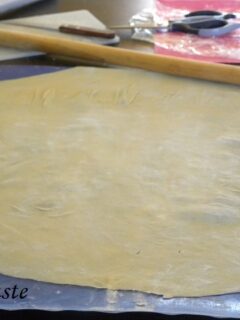
- Prepare the dough. See step by step instructions here.
- Roll out the phyllo with pasta machine. Put 1 teaspoon of cheese mixture at one side, next to the other leaving 1 inch (3cm) gaps in between. Cover with remaining phyllo and press with fingers between the gaps to separate and cut with a wheel cutter. You can cut them either square or semi circle.
- Place on a floured surface until you have finished all of them.
- Bring water to boil, add salt and a tablespoon of olive oil and boil the ravioli for ten minutes.
- Remove with a slotted spoon and serve while hot.
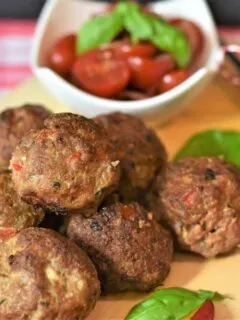
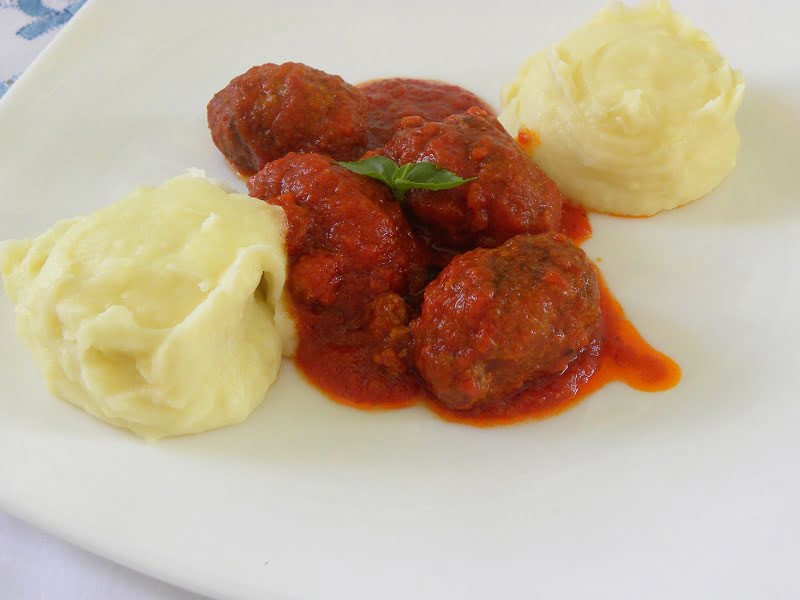
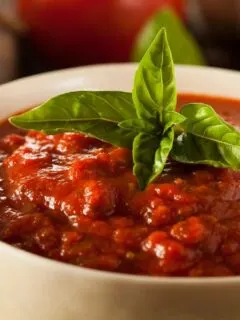
I served the ravioli with Baked Meatballs and Marinara Sauce.
Baked Meatballs
Preparation time: 15 minutes
Baking time: about 30 minutes
Makes: about 30 meatballs
Ingredients:
- 500 grams ground pork and veal, mixed
- 1 onion, grated
- 1 clove garlic, minced
- 2 slices white sandwich bread, torn into small cubes
- 4 tablespoons milk
- 1 egg
- 1/4 cup Parmesan cheese
- ½ cup fresh parsley, finely chopped
- 2 – 3 tablespoons fresh mint, finely chopped
- ½ teaspoon basil
- Salt and freshly ground black pepper to taste
- 3 tablespoons olive oil
Directions:
- Preheat oven to 180 degrees C.
- Line a large roasting pan with parchment paper and brush with olive oil.
- Remove the core from the bread, cut it into small pieces and add the milk. Allow it to soak until soft.
- Place the minced meat into a large bowl and add the onion, garlic, egg, parmesan, parsley, mint, salt, pepper and basil. Mix well, using your hands to ensure everything is evenly distributed. Crumble the bread into tiny pieces and add it to the meat mixture and mix again.
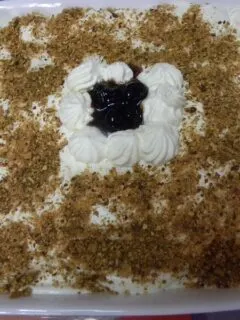
- Take a small amount of the meat, about the size of a walnut, into your hands and roll into a ball.
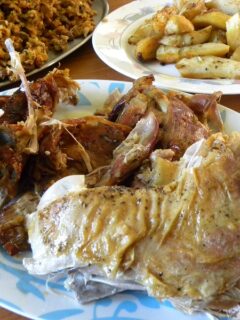
- Place the meatballs on the greased pan.
- Bake for about 30 minutes until golden brown. No need to turn them over as they will brown below as well.
Other relevant recipes:
Ravioles Kypriakes (Cypriot Ravioli)
Kaloirka (Cypriot Beef Ravioli)
Makarounotes Hilopites (Homemade Pasta)
How to make dough and roll out phyllo
Tags: Cheese, dough, Ground meat, How to.., Italian, Lasagnettes, Malfaldine, Meatballs, Pasta, Ravioli, Tips-cooking
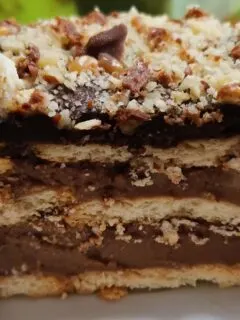
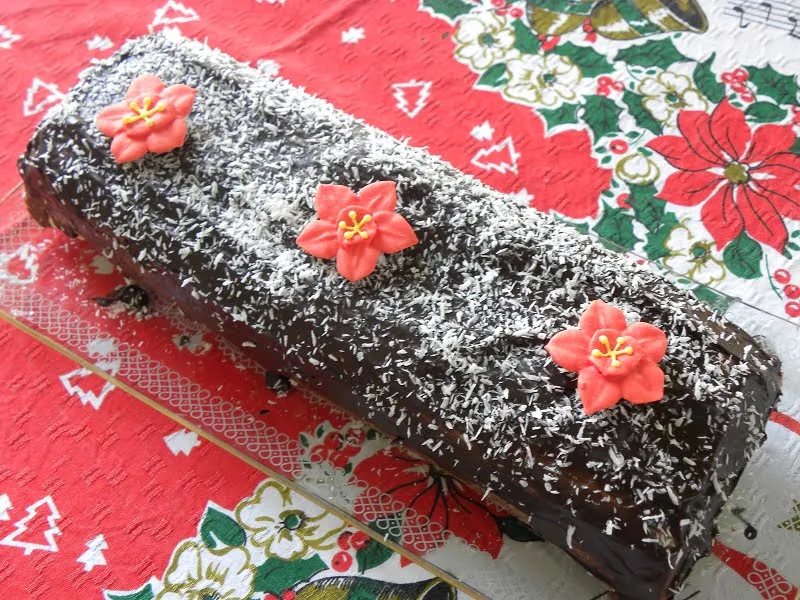
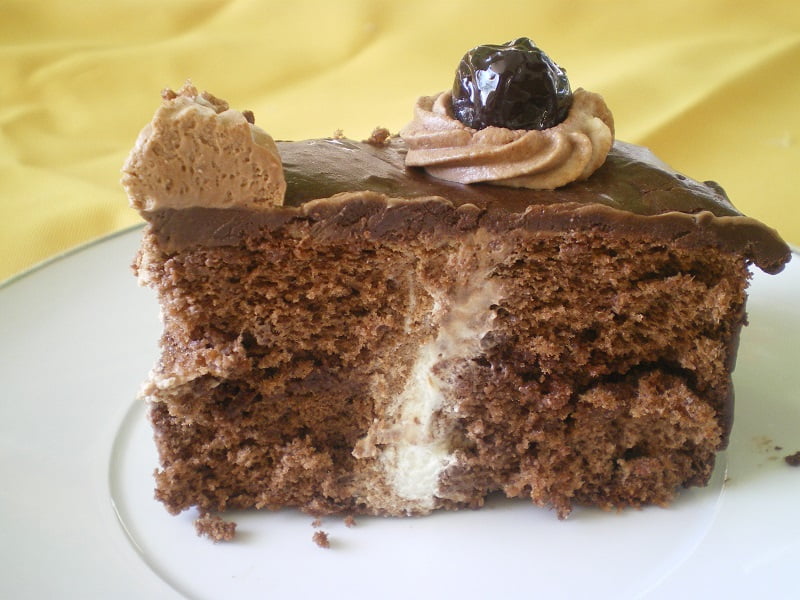
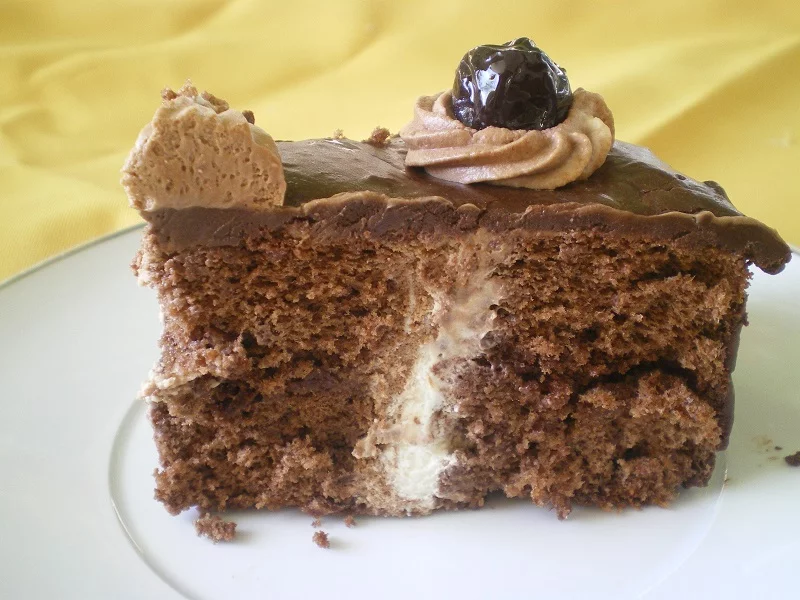
The other night when I was making the Almond Paste for the Christmas cake, I had two egg yolks which I wanted to use. I decided that the best way to use them was to make a custard cream. However, I still wanted to make a lovely Espresso Coconut Roulade I saw a few days ago at Heni’s blog but unfortunately there were no eggs in that recipe. I had already bought the biscuits and coconut and was still determined to make the roulade with a few tweaks on my part. Heni’s roulade is much prettier but still it tasted great.
I had a small difficulty when I had to roll it as the custard cream was too much and began coming out of the side. I quickly reacted and got a loaf tin where I placed it in and left it overnight to set.
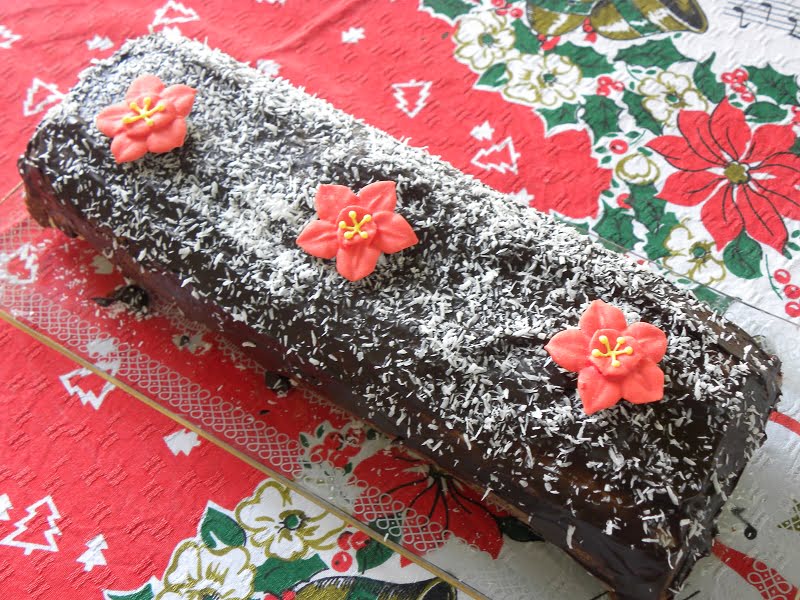
The following day I turned it over in a platter and it looked perfect. I made a quick ganache and sprinkled the coconut on top. The flowers on top are edible and came all the way from Cyprus. These were intended for my Christmas Cake decoration but I still have a lot left for the Christmas Cake.
Do you like the tablecloth in the picture? I embroided it and also made the lace 25 years ago when I was pregnant my second son and was confined to bed all day, as I had some problems with the pregnancy. I didn’t like it and never used it before but today when I was taking out my other Christmas tablecloths I saw it and I realized that it would be perfect for Christmas.
Chocolate Wafer Coconut Roulade, Recipe adapted from Heni’s blog
Ingredients:
For the crust
- 3 Amaretti Wafers x 70 grams each
- 3 Chocolate Wafer x 50 grams each
- 1 cup coconut
- 1 cup almonds
Cream
- 30 grams butter
- 1egg
- 1/3 cream half-half
- 1 shot espresso cherry liqueur
For the filling
Custard Cream
- 2 egg yolks
- 3 tablespoons corn starch
- 3 tablespoons sugar
- 2 cups milk
- 1/2 tsp vanilla essence
Butter Cream
- 150 grams butter
- 5 tablespoons icing sugar
- 1 tsp vanilla essence
- 1/3 cup dessicated coconut
Ganache
- 100 grams couverture chocolate
- 1 tablespoon butter
- 1/4 cup half-half cream
Directions
- Start with the pastry cream as it will need some time to cool.
- Heat the milk in a small saucepan.
- In another saucepan add the yolks, cornstarch and sugar and whisk. If you cannot mix it, add a tablespoon of cold milk and mix it. Add the hot milk whisking continuously until the cream sets. Add the vanilla essence, mix and set aside to cool.
- In a food processor add the wafer a few at a time and powder. Empty in a big bowl.
- Do the same with the almonds but do not powder completely. Add to the bowl. Add the coconut and set aside.
- Prepare the Buttercream. Add the butter, sugar and vannila in the mixer bowl and whisk until white and fluffy. Stop the mixer and scrape down the butter a few times, if necessary. When the custard cream has cooled start adding it to the butter cream until it is incorporated. Mix in the coconut and set aside.
- In the same saucepan where the custard was, add one egg, 30 grams butter and the half-half cream and whisk on low heat. As soon as the butter has melted remove from the heat and start mixing in the wafers with all all the other ingredients to make a thick paste. Finally add the espresso liqueur and mix.
- Cut two pieces of cling film about 40 cm each and join together. Spread the crust which should be about 1 cm thick and on top add the cream. Lift the edge of the cling film and roll into a roulade, leaving the cling film outside of course. Place in a loaf pan and refrigerate until the cream has set.
- In a non stick frying pan add the couverture, butter and cream simultaneously and on low heat mix until the chocolate melts.
- Spread over the roulade and sprinkle some coconut on top. Refrigerate for at least one hour before serving.
I have just finished the Christmas Cake which I decorated with more edible decorations.
Other similar recipes:
Kormos me Amygdala (Almond Roulade)
Elioti (Savory Olive Roulande)
Tags: Almonds, biscuits, buttercream, Chocolates, coconut, cookies and biscuits, Desserts, Pastry cream, wafers
This month’s Tried & Tested is featuring Kevin of Closet Cooking. This event was an original idea by Zlamushka of Spicy Kitchen. Each month a blogger is featured and we have to choose one of his/her recipes and recreate it and blog about it. This month’s host, is Hema of Salt 2 Taste.
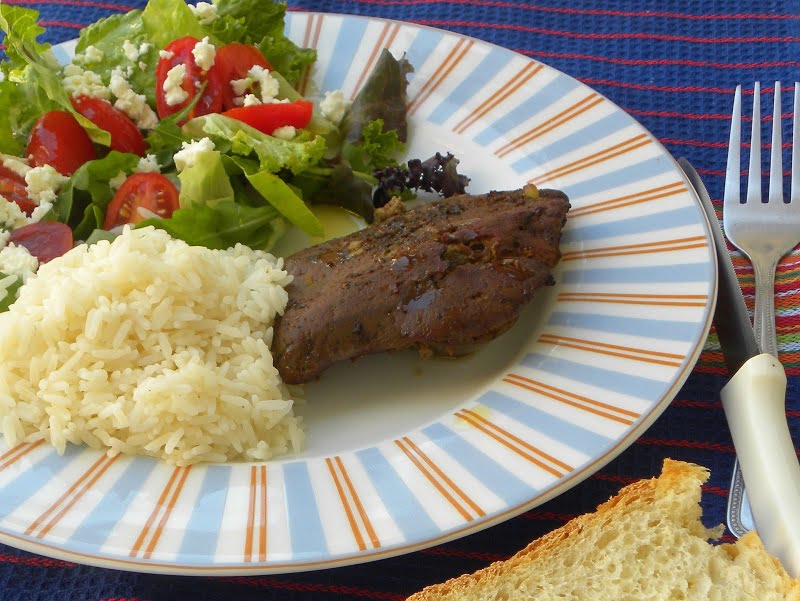
Kevin makes delicious recipes. Take a look at his blog and you will find lots of delicious recipes from around the world: Canada, America, Greece, Italy, Vietnam, Thailand, China, India etc. You will have no problem finding one to recreate.
I took a look at Kevin’s Greek recipes and I saw Agginaropita, which is an Artichoke-cheese pie, which he had made from Maria’s blog. I’ve been wanting to make this pie for a long time as I love artichokes, so I knew what I wanted to make as soon as I saw this recipe.
I rarely copy recipes, except when it’s something unknown to me and I want to see how the original version is. I usually work with what ingredients everyone eats and that is what I have at home but since this event was about trying and testing, I planned the recipe in advance and have not changed anything to Kevin’s recipe except for adjusting the ingredients to a larger quantity. Needless to say that we loved the pie and enjoyed it very much. You can find Kevin’s recipe here.
I used frozen artichokes and had some more leftover, so a few days later I made it again but this time instead of making the pie with ready made phyllo, I preferred to make my own phyllo and made individual pies. In Greece we have another pie called Prassopita, which is a leek pie. Although, I have made that one last year, I haven’t posted it yet, as well so many others waiting patiently to be posted. I wanted to make a combination of prassopita with some artichokes and instead of adding feta, I added xynomyzithra and some blue cheese. Since these two pies are connected and similar in ingredients, I am posting my version as well.
Prassopita me agginares (Leekand Artichoke Galette), Recipe by Ivy
Makes: 6
Ingredients
For the pastry dough :
- 3 cups bread flour
- 1 cup all purpose flour
- ½ cup olive oil
- ½ cup tepid water
- 1 tsp salt
- 2 eggs
For the filling:
- 3 tablespoons olive oil
- 6 leeks (one white part), finely chopped
- 6 artichokes, quartered
- 1 onion, finely chopped
- 1 tsp salt
- 1 cup white wine
- 350 grams xynomyzithra
- 100 grams blue cheese
- 1 cup parsley, finely chopped
- 1 cup dill, finely chopped
- 3 eggs
- Freshly ground black pepper
- 1 tablespoon poppy seeds
- 1 tablespoon black sesame seeds
- 1 egg, for brushing
Directions
- Prepare the dough, see detailed instructions here.
- Position rack in top third of oven and preheat to 180°C. Line the baking tin with parchment paper.
- Wash all the vegetables. Cut the green end of the leeks.
- Heat the olive oil in a sautéing pan and sauté the leeks. Add the onion and the artichokes as well as the salt and sauté until translucent.
- Add the wine, cover the sautéing pan and cook for ten minutes, or until the wine has been absorbed.
- Remove from the heat and leave it for about 30 minutes to cool.
- Meanwhile, chop the parsley and dill, crumble the cheeses with a fork and add the eggs and pepper and mix well.
- Add this to the leeks and mix well.
- Divide the dough into six equal parts and roll out each pie into a disc about 20 cm., diameter.
- Spread 1/6 of the leek mixture over dough, leaving a border on all sides. Fold the border in over filling. Brush folded edge with the egg and sprinkle the sesame and poppy seeds on top.
- Bake galette until crust is golden brown, about 45 minutes.
- Cut each galette into 4 pieces and serve warm as an appetizer.
Other Relevant Recipes:
Kolokythopita me Myzithra (Savory Pumpkin Pie)
Kotopita me Prassa (Chicken and Leek Pie)
Tyropita me Maratho and Watermelon Salad
Homemade Spanakopita from scratch
Tags: artichokes, dough, galette, Greek cheese, Greek Herbs, herbs, leeks, phyllo, pies, pites
Kaltsounia or Kalitsounia, is probably the most known Cretan recipe. Remember my post on Calzone where I mentioned the connection of the two names?
Kaltsounia can be either with a sweet or savory filling and the pastry shell differs in each case. Savory Kaltsounia use a pastry phyllo in which they add raki and for filling they add some greens like spinach and some wild greens, with herbs or just with xynomyzithra and eggs, which is a light whey cheese, similar to ricotta. In other parts of Greece we call these bourekia.
The sweet kaltsounia are very different in taste and shape. They are called “lihnarakia” because of their shape, resembling old oil lamps, whereas in other parts of Greece they are called “melitinia” meli = honey.
The Greek cheese used is myzithra (anthotyro), which can be flavoured with cinnamon, vanilla or lemon zest. The phyllo is made with olive oil, flour, yoghurt (or milk) and eggs, so it tastes more like a cookie filled with cheese.
My twist to this recipe is that I made the pastry with butter and added limoncello in the filling, giving the cheese a lovely lemony taste. The pastry shell was not very sweet and my children said they would prefer them to be more sweet but for my taste they were perfect. When I make them again next time I may add a couple of tablespoons sugar in the pastry and in the filling shall go even further and make them with lemon curd and anthotyro.
Limoncello Kaltsounia or Lihnarakia, Recipe by Ivy
Preparation time: 1 hour
Baking time: 25 – 30 minutes
Makes: 24
Ingredients:
For the pastry shell
- ¼ cup lukewarm milk
- 8 grams dried yeast
- 1 tablespoon sugar
- 100 grams butter, reserve 1 tsp for filling
- ½ cup sugar
- 2 eggs
- 2 tablespoons yoghurt
- 500 grams self raising flour
For the filling
- 500 grams anthotyro
- 1/3 cup sugar
- 2 tbsp honey
- 1 tsp butter
- 1 egg beaten, (reserve just a little to brush on top)
- ½ tsp cinnamon
- 1 tsp lemon zest
- 2 tablespoons limoncello
- ½ tsp vanilla essence
- Egg for brushing on top
- Cinnamon for top
Directions:
- In a small bowl add yeast, sugar and milk and mix. Leave it for a few minutes until it bubbles.
- In the mixer bowl beat the butter and sugar.
- Add the eggs, one at a time until incorporated and then add the yoghurt.
- Add the yeast mixture and finally the flour and salt until the dough is ready. The dough should be soft but not sticky on the hands.
- In the mixer bowl mix the anthotyro with sugar. Add the honey and the egg and whisk. Add cinnamon, vanilla, lemon zest and limoncello and mix whisk creamy.
- Roll out the dough and cut into disks about 10 cm in diameter. Fill in with 1 heaped teaspoon of filling leaving about 1 cm edge. With your two fingers pinch the dough in order to form sort of pleats. Start with making four. One above, one below, one left and one right and then between each fold make two more.
- Place on a baking tin, lined with parchment paper. Brush with the egg and sprinkle some cinnamon on top.
- Bake in a preheated oven at 180 degrees C for about 25 – 30 minutes or until golden brown.
This recipe also goes to Rosa, of Rosa’s Yummy Yums, for her even Pastries For Peace.
This recipe also goes to Susan of Food Blogga for her event Eat Christmas Cookies, Season 3
Other relevant recipes:
Greek Anthotyros and Fig Muffins
Moustokouloura me Anthotyro (Grape must cookies with cheese)
Bourekia me Freskia Anari (Pastries filled with anthotyro cheese and cinnamon)
Kolokythopita me Myzithra (Savory Pumpkin and cheese pie)
Tags: Anari, Anthotyro, Cheese, cookies and biscuits, Cretan, Drinks, Lihnarakia, limoncello, Lychnarakia, Myzithra, ricotta, tartlettes, Tarts, Tarts and Pies