
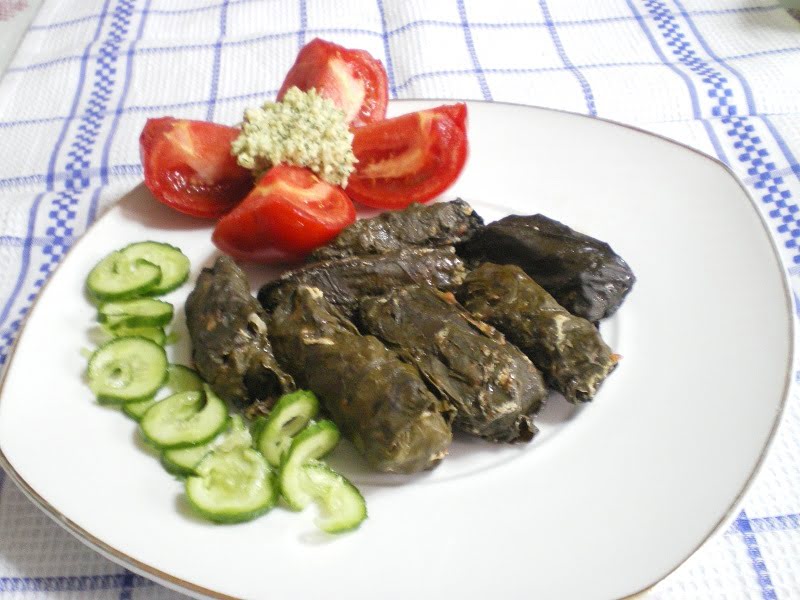
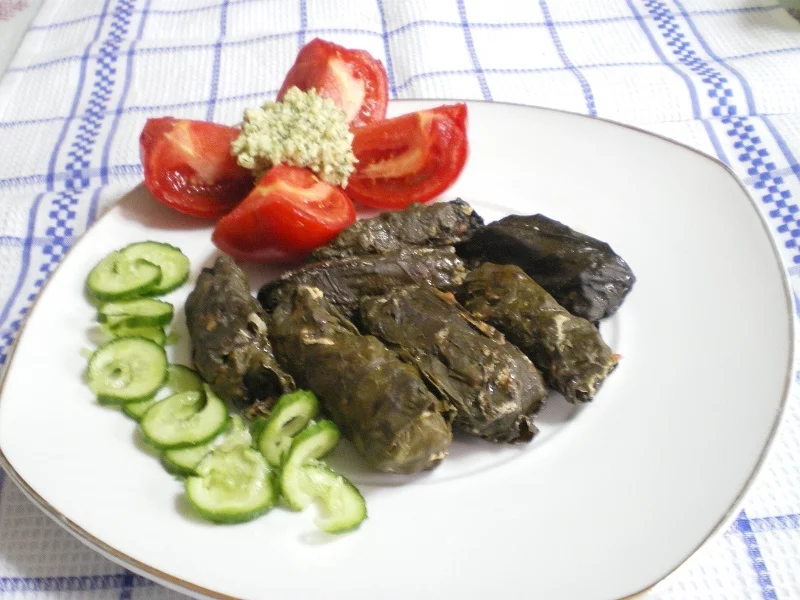
Koupepia me lahana, are the Cypriot version of dolmades, made with Silverbeet leaves, instead of vine leaves, cooked with tomatoes.
Rice

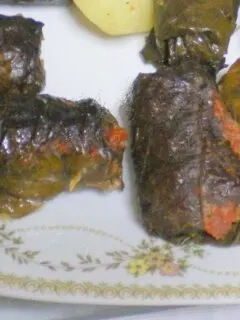
Koupepia Gialantzi are a traditional Cypriot dish, commonly known as stuffed vine leaves. They are similar to the Greek dish dolmades but are vegan with only rice and herbs.
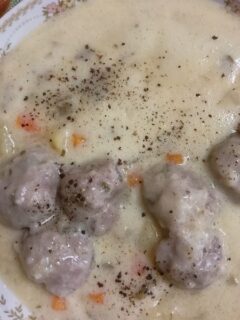
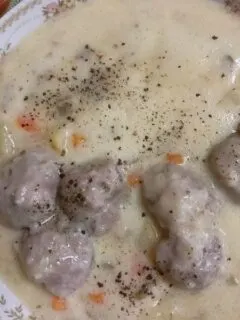
Giouvarlakia, pronounced yiou-var-LA-kia, is a Greek soup with meatballs using ground veal, pork or chicken, rice, herbs and spices cooked and thickened with a lemony avgolemono sauce.
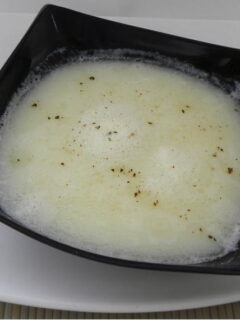
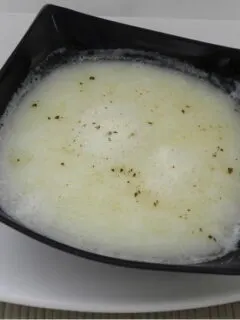
The traditional Greek avgolemono soup is made only with rice which is boiled in the broth of chicken which we have previously boiled to take the broth. It is then thickened with the avgolemono sauce.
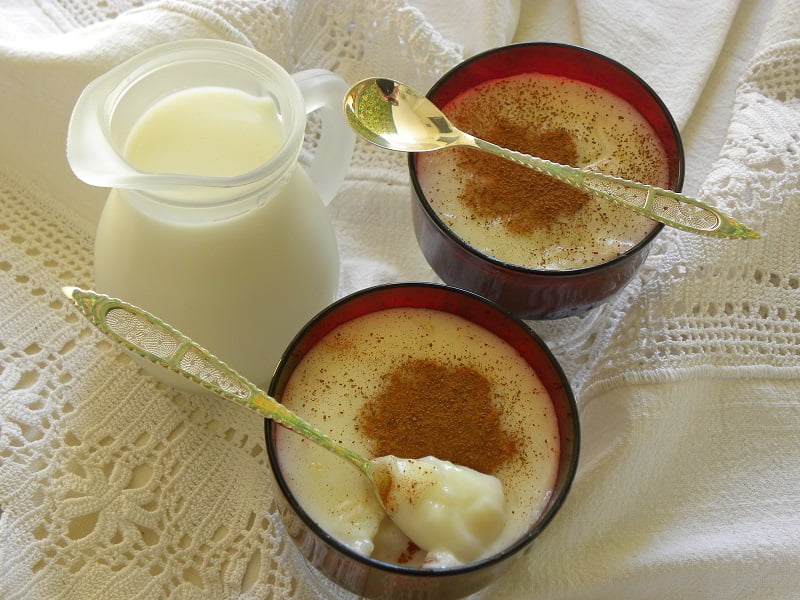
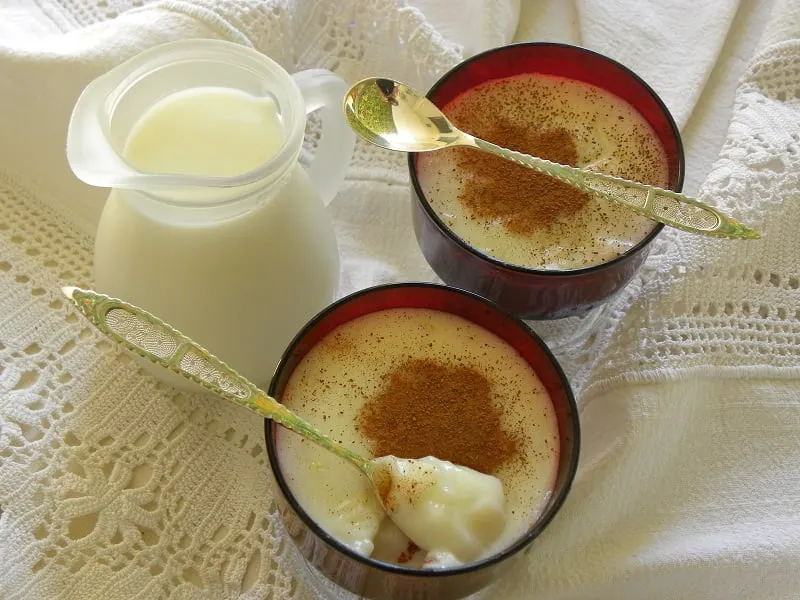
Ryzogalo also written rizogalo (pronounced ree-ZOH-gah-loh) is the Greek version of rice pudding.
This dessert is a favourite with my family, not only as a dessert, but as a special treat.
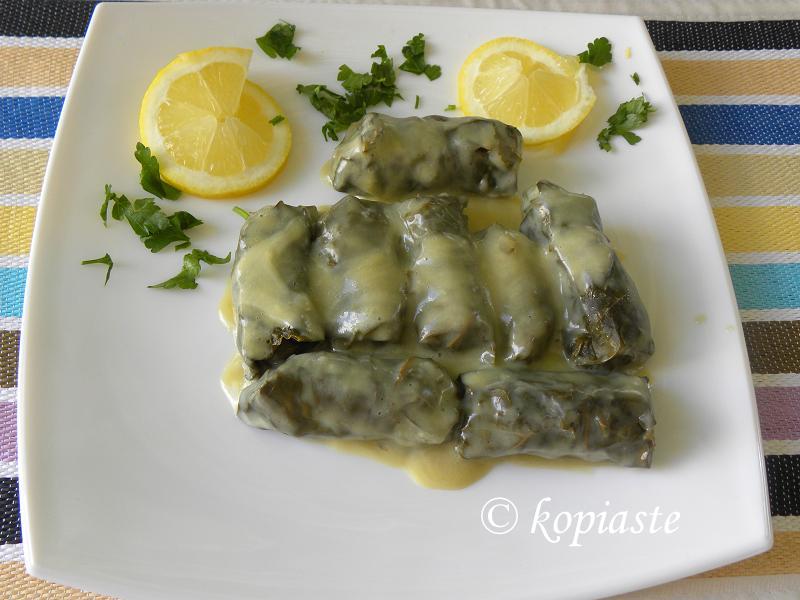
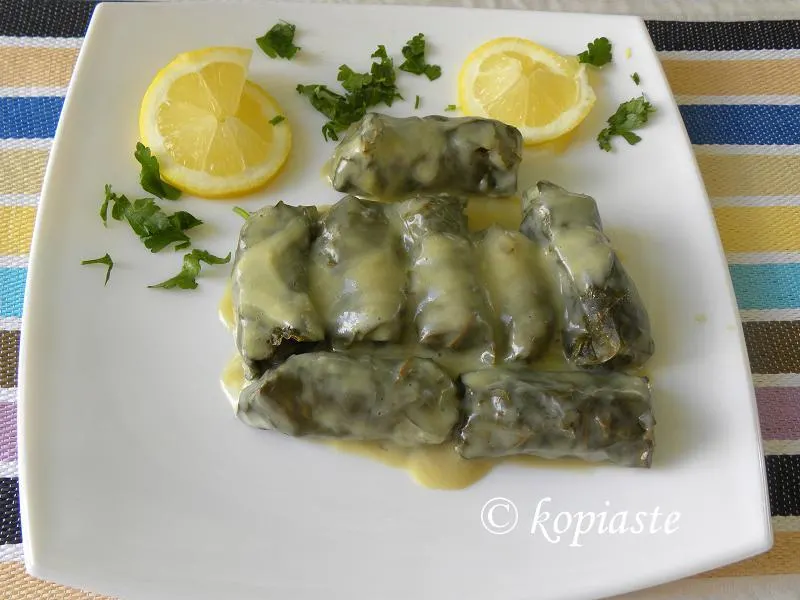
Dolmades me Avgolemono (dol-MAH-thes mé Avgolémono) , are vine leaves stuffed with ground meat and rice which are then served with an egg lemon sauce, called avgolemono (avgo = egg and lemoni = lemon).
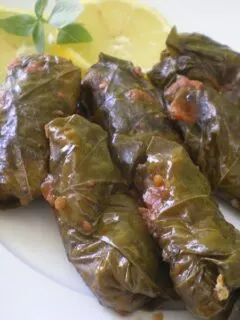
Koupepia (as we call them in Cyprus) are dolmades made with grape leaves, stuffed with ground pork or veal, rice, fresh herbs and seasoning, cooked with tomato and lemon juice.
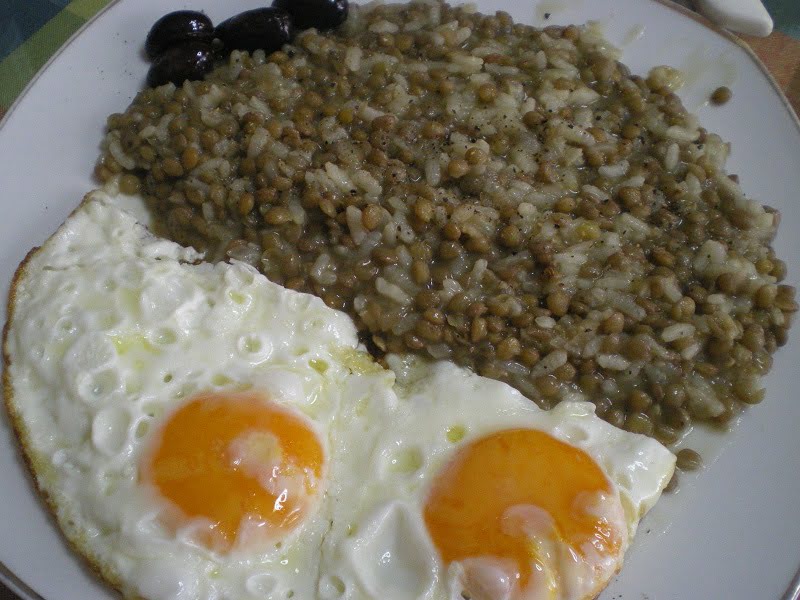
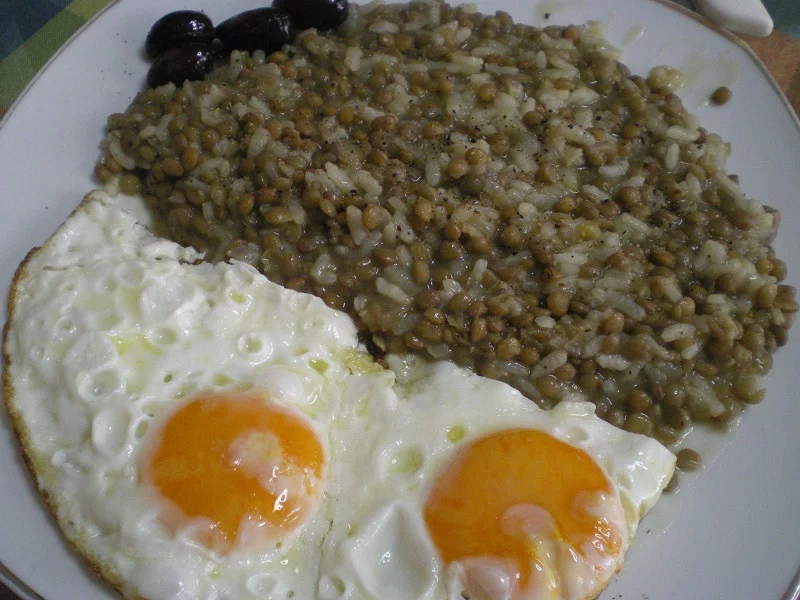
Fakes moutzentra is a lentil recipe we make in Cyprus and is a high protein, balanced healthy food, especially with the combination of rice.
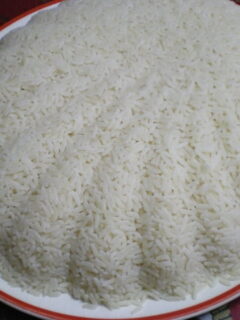
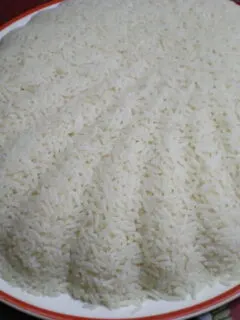
Rice Pilaf (Rizi Pilafi), is one of the easiest side dishes, made with long grain white rice and stock. It takes about 10 – 20 minutes to cook and it a great side dish to any meat dish with a red or white sauce.