
Greek Tsakistes Olives – A Traditional Taste of Greece
In Greece, olives are much more than a simple appetizer. They are part of everyday life and have been cultivated in the region for thousands of years. Among the many ways olives are prepared, tsakistes olives are one of the most traditional and rustic methods, especially popular in Crete and Cyprus.
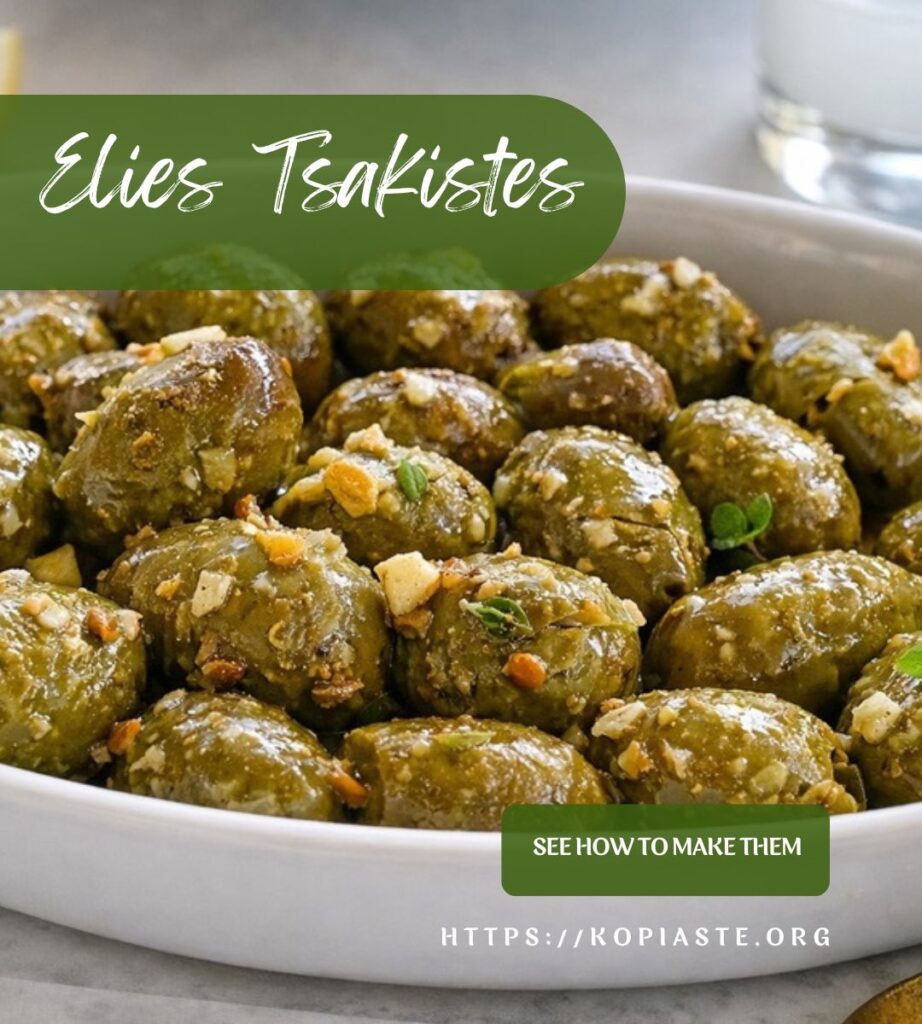
The word tsakistes comes from the Greek verb τσάκιζω, which means to crack or break. Unlike other cured olives that are left whole, these olives are gently cracked before curing. This small step allows the brine and seasonings to penetrate the flesh more easily, resulting in olives that are aromatic, slightly tangy, and wonderfully flavourful.
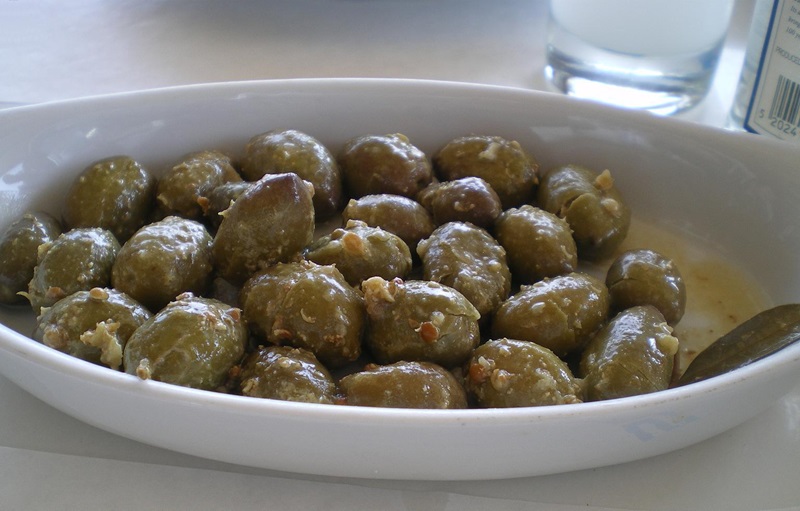
What Are Elies Tsakistes?
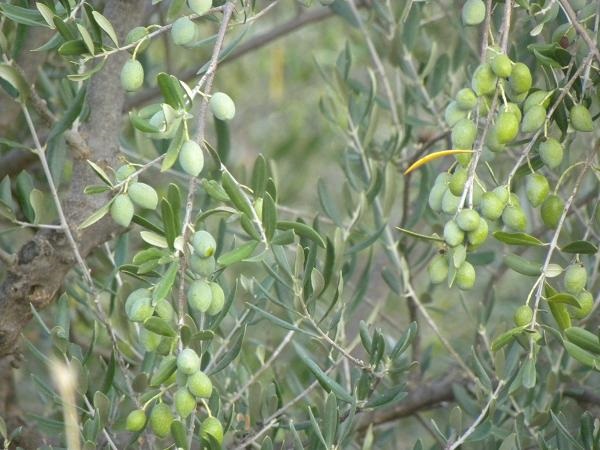
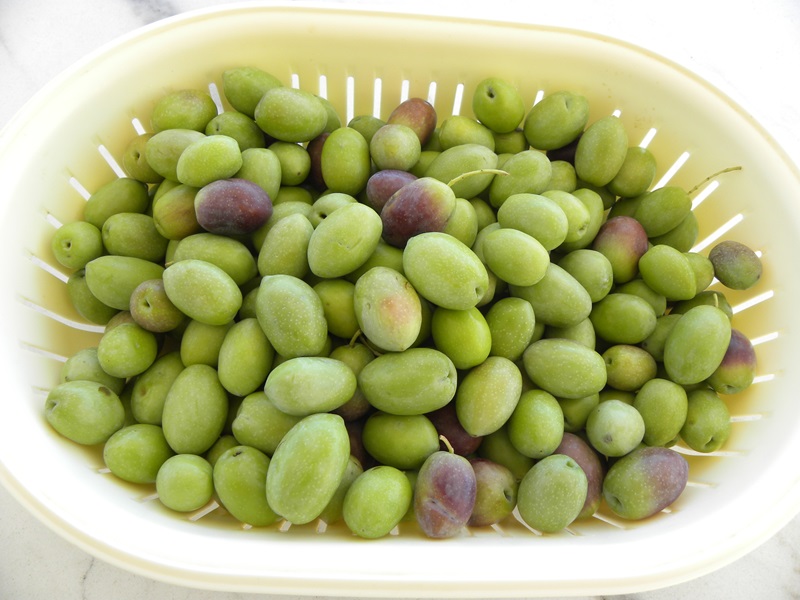
Elies Tsakistes (pronounced Eh-LIES Tsah- kEE- STES) are crushed olives which are harvested early in the season when they are still firm and slightly bitter. Each olive is lightly cracked with a stone, wooden mallet, or the side of a knife. The cracking breaks the skin and allows the bitterness to leach out during soaking.
After cracking, the olives are soaked in water for several days, with the water changed daily. This traditional soaking process gradually removes the natural bitterness.
Once the olives have mellowed, they are placed in a simple brine and flavoured with ingredients typical of the Mediterranean pantry.
Traditional Flavourings
Although the exact ingredients vary from household to household, tsakistes olives are commonly seasoned with:
Extra virgin olive oil
Fresh lemon juice
Garlic
Wild oregano
Coriander seeds
Lemon peel
Fresh herbs such as thyme or rosemary
These ingredients create olives that are bright, aromatic, and slightly citrusy.
Tsakistes Olives in Greek Culture
In many Greek homes, olives are still prepared in large batches after the autumn harvest. Families gather to crack the olives and prepare them for curing. The process is simple but deeply rooted in tradition, passed down through generations.
Tsakistes olives are typically served as part of a meze table, alongside dishes such as:
Tzatziki
Hummus
Dolmades
Feta
They are enjoyed with crusty bread, a drizzle of olive oil, and often a glass of wine or ouzo.
Taste and Texture
Compared to other cured olives, tsakistes olives have a slightly firmer texture because they are not fermented for very long. Their flavour is fresh and vibrant, with the pleasant bitterness of green olives balanced by lemon and herbs.
The cracked flesh absorbs the seasonings beautifully, making every bite intensely aromatic.
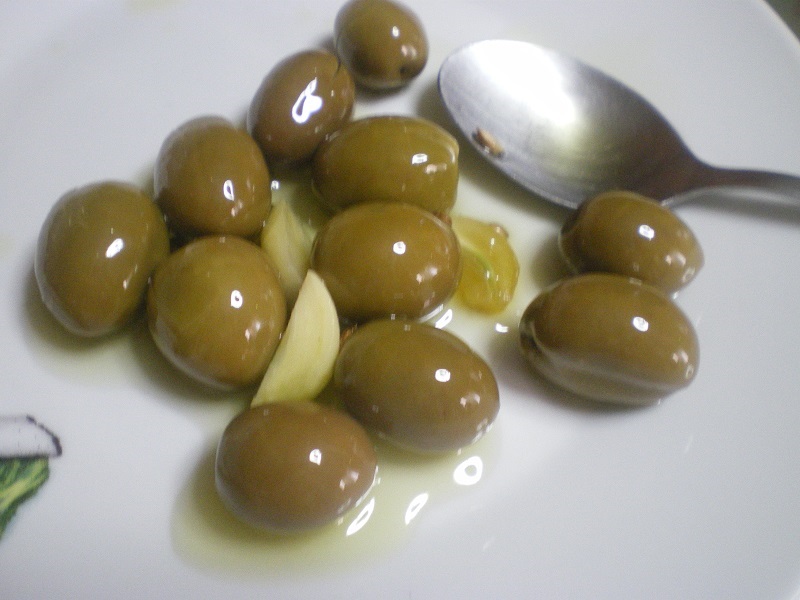
Serving Suggestions
Tsakistes olives can be served in many simple ways:
Drizzled with extra virgin olive oil and fresh oregano
Mixed into Greek salads
Added to roasted vegetables
Served alongside grilled fish or meat
Chopped into rustic breads or savoury pastries
They are also a wonderful addition to mezze platters when entertaining guests.
A Simple Tradition Worth Preserving
In an age of industrial food production, tsakistes olives remind us how simple techniques can create extraordinary flavour. With nothing more than olives, water, salt, and a few herbs, generations of Greek families have produced a delicacy that perfectly represents the Mediterranean way of eating.
Their preparation may be humble, but their taste captures the essence of Greek hospitality—simple, generous, and deeply connected to the land.
Preparing the Olives
Green olives are usually sold ready to be eaten but if you produce olives and want to make them from scratch, there is a procedure to follow in order that the olives become edible.
First of all you have to crack the olives and put them in water for as long as necessary until they are not bitter any more.To crack the olives place on a cutting board, wear latex gloves and wear something old or a plastic apron as when they are cracked the juices may stain your clothes and it is very difficult to remove the stains.
My mother would tell us to help her do this job and she had a large clean marble where we would put the olives and with a big pebble would crush them but we had to be careful not to break the pip. You may also crash them with the pestle but a mallet may also be used.
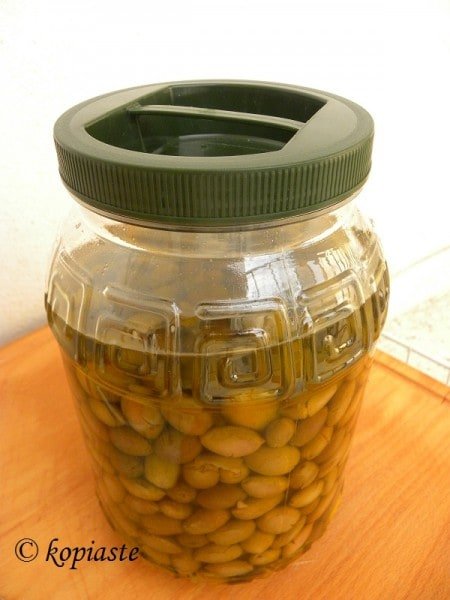
After crushing them they have to be soaked in fresh water, which is changed every other day until the bitterness is removed.
If you have a large amount of olives you must brine them in order to preserve them. The analogy is for every 8 cups of water is 1 cup of salt.
My sister in law sent me some olives which she had already cracked and put in water and were nearly ready to be eaten. I tried one and although it still had a slight bitterness I loved the taste. It had such a fruity taste, full of juice that I could not wait any longer to start eating them.
In Cyprus we prepare the cracked olives by marinating them. The olives should be marinated for at least a day so that all the flavours may be released and believe me, you can't stop eating them.
I have been eating them every day since last week, with lentil soup, with green beens, with peas, stuffed in meat, mixed with potatoes, in salads, as a mezes and I even eat some for breakfast.
Greek Tsakistes Olives – A Traditional Taste of Greece
Traditional Greek tsakistes olives are cracked green olives cured in brine and flavoured with lemon, garlic, and herbs. Learn their history and how to make them at home.
Ingredients
- ½ kilo (1.10 lbs) of green cracked olives
- 2 teaspoon crushed coriander seeds
- 2 – 3 cloves garlic, cut into 2 – 3 pieces each
- ¼ cup lemon juice
- Olive oil, to cover them
- Salt, to taste
Instructions
- Wash the olives from the brine water and add crushed coriander seeds, garlic, lemon juice and olive oil to cover them and mix all the ingredients.
- Taste and add salt if necessary.
- They can be eaten right away but it is best to allow them at least one day to marinate so that all the flavours of the ingredients are released.
- If they are covered with olive oil they may be preserved outside the refrigerator but if less amount of olive oil is added it is best to store them in the refrigerator, covered.
- Remove them from the refrigerator at least an hour before eating.
Nutrition Information
Yield 1 Serving Size 1Amount Per Serving Calories 58Total Fat 3gSaturated Fat 0gUnsaturated Fat 2gSodium 48mgCarbohydrates 12gFiber 6gSugar 1gProtein 2g
"These values are automatically calculated and offered for guidance only. Their accuracy is not guaranteed."
Kopiaste and Kali Orexi,

Wow! I love those green olives. I have, I think, eaten something similar in southern Italy. The recipe looks grest! If I could get those frssh here, I would love to try making ths recipe. yum yum!
What an interesting way... now I want olive trees!!! Hmmm... maybe i can be the first in my country to plant olive tree??? I always bought ready-made olives and have no idea how they were processed. I can't wait to try this when I'm in Greece.
Ivy, as someone who has picked olives, brined and cured them, and pressed them for oil, I fully appreciate this posting. Indeed, it is now the table olive picking season in the Peloponnese, my in-laws called us the other day and told us they had just finished picking the olives that are to be cured for eating; of course, the oil olives always come later.
This is one long process, but i am sure it taste absolutely delicious..It reminds me of our mango Pickle ..Thanks for sharing .
My cousin Sister and her Husband are living in Cyprus and they would love this info on Olives...
hugs and smiles
Where can I buy these in Greece.
Are there any suppliers?
Thanks
Regards,
Carla
Sorry I can't help you.