
How to make Yiaourti Strangisto (Greek Yoghurt)
Yiaourti strangisto (pr. yeeah-OUR-tee strahn-ghee-STOH) means strained yoghurt, aka Greek yoghurt.
You only need two ingredients to make some delicious, creamy Greek yoghurt.
We are very lucky to have this delicious and velvety yoghurt, the queen of all dairy products, so easily available.
It is nutritious, high in calcium, a good source of protein and does not contain cholesterol.
However, in many parts of the world they don’t have it, but they surely do have milk.
It’s easy to make it so why not give it a try. The calories will depend on what kind of milk you will be using.
The past few years of blogging I've read a lot of posts where bloggers talk about their love for Greek yoghurt.
However, Greek yoghurt is not available everywhere around the world.
I remember reading a post recently, about a daughter and mother living near the Canadian-American borders, respectively.
The daughter would ask her mother to bring her some Greek yoghurt from the States as she could not find it in the town she lived.
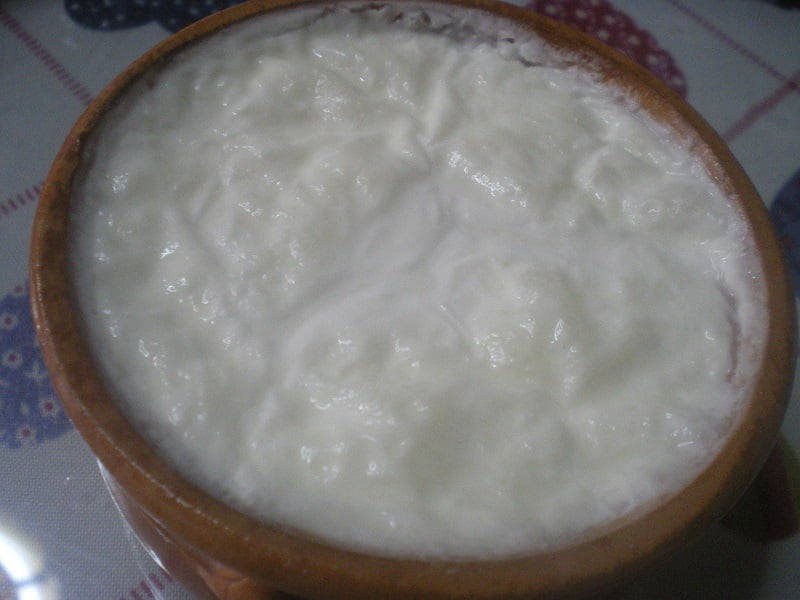
That is how good Greek yoghurt is!
That post is what triggered me to attempt and make Greek yoghurt.
I can buy Greek yoghurt any time I like not only at the supermarkets but in Greece you kind find yoghurt in "psilikatzidika" which are also called EVGA., from the oldest dairy company in Greece, which would help these family mini markets, by providing them with professional refrigerators and in their turn they sold their dairy products.
Although EVGA has merged with other companies and has kept only the ice cream sector, these mini markets are still known with this name, although now they are sponsored by other dairy companies such as DELTA, FAGE, AGNO, and usually operate from 6 - 7 a.m. till midnight, selling as well newspapers and magazines, bus tickets, candies, as well a small variety of other products, in case you need something during the hours when the supermarkets are closed.
I remember my mother used to make yoghurt but never asked how she made it so I just made a quick google search.
I found a recipe in Greek saying that they used FAGE Total yoghurt.
I made it but the yoghurt did not set and it was more like a cream than a yoghurt, although it tasted great.
I did not give up.
This time I made a more thorough search and read carefully all the details.
You just need any kind of milk, low fat or full fat and yoghurt with live cultures. You can use any milk you like, even soy milk.
I used Becel Proactive milk 0% fat, which is the one I drink every day as it helps lower your total and LDL cholesterol, so this milk makes a very healthy yoghurt.
However, you cannot make yoghurt with just any yoghurt as a starter. You have to use a yoghurt with live cultures.
All the sites I read in English, used a thermometre which unfortunately we don't use in Greece and I am sure in many other countries as well.
My mother never used a thermometre to make yoghurt and all those shepherds who have been making yoghurt the past 4.500 years never used thermometres.
I remember what she did was to heat the milk and let it become lukewarm. She would test it with her little pinky finger and if she could tolerate the heat counting to five then the temperature was right!!
As simple as that.
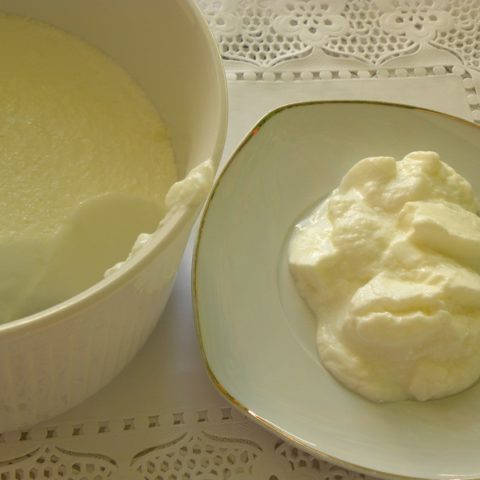
When the yoghurt is ready you may notice that it is thinner than the typical store bought yoghurt.
If you want to make Greek yoghurt, you will have to strain all the water out.
You can line a colander with muslin, cheesecloth or a clean linen kitchen towel or a thick strong paper towel.
Make sure that the paper towel will not fall apart when it is wet. Put the colander in a bowl where there will be some space below for the water to drain.
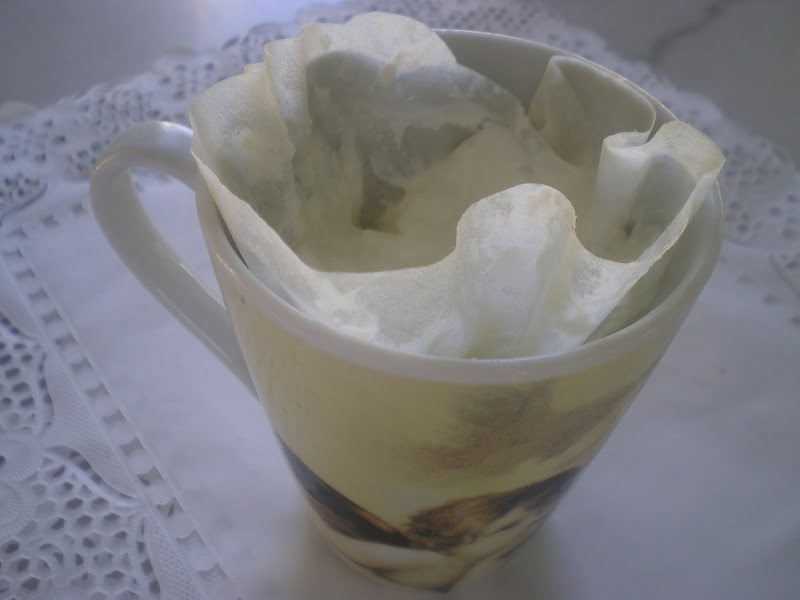
Check regularly and remove water.
Place in the refrigerator until it reaches a thick consistency.
I found an easier way to strain my yoghurt. I used coffee filters which I put into V shaped cups so that the filter will not fall inside.
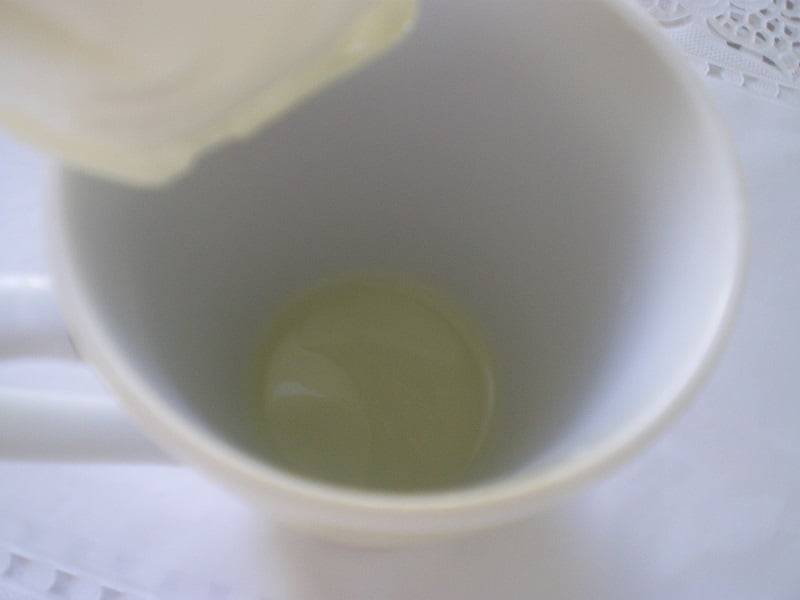
The amount of milk you use makes the same amount of yoghurt and for every litre of milk you will need 100 grams of yoghurt, which is about 2 heaped tablespoons.
The time needed for the yoghurt to be ready is about six hours during the summer and seven to eight hours during winter.
Cover your bowl with a lid and then cover with a towel to keep it warm.
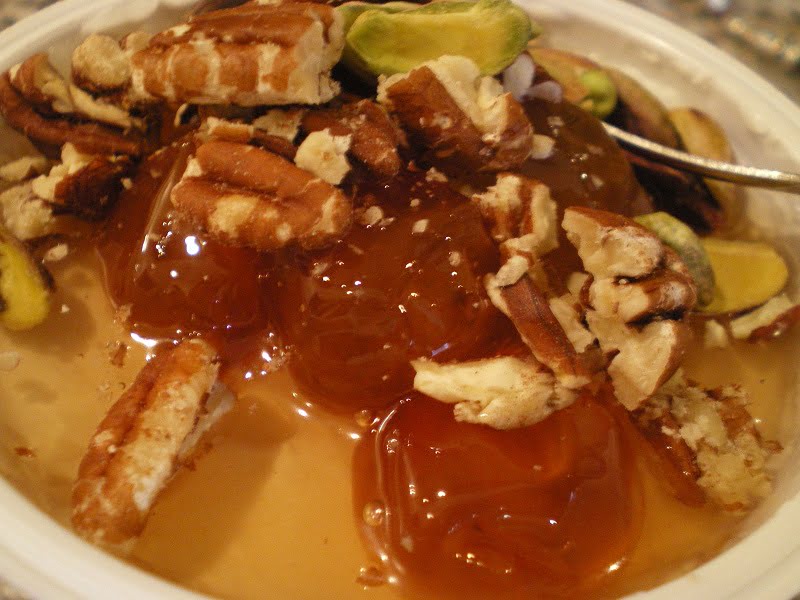
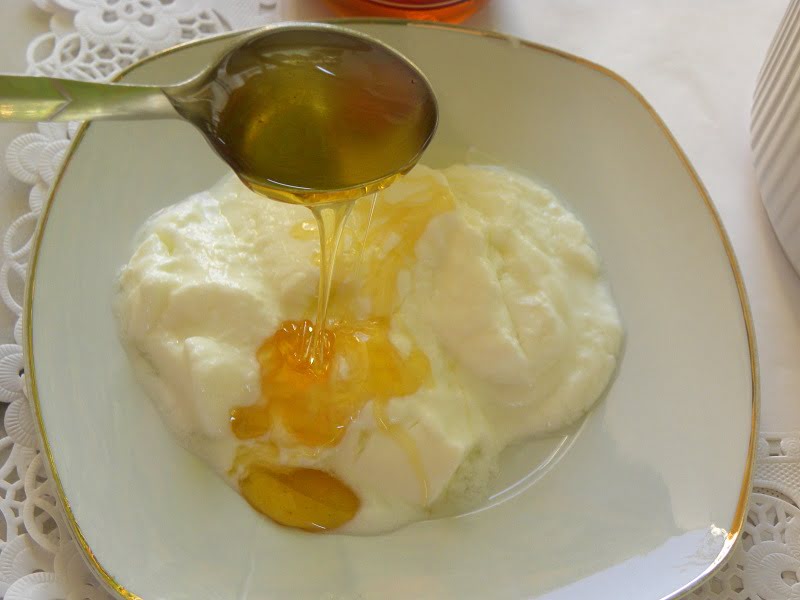
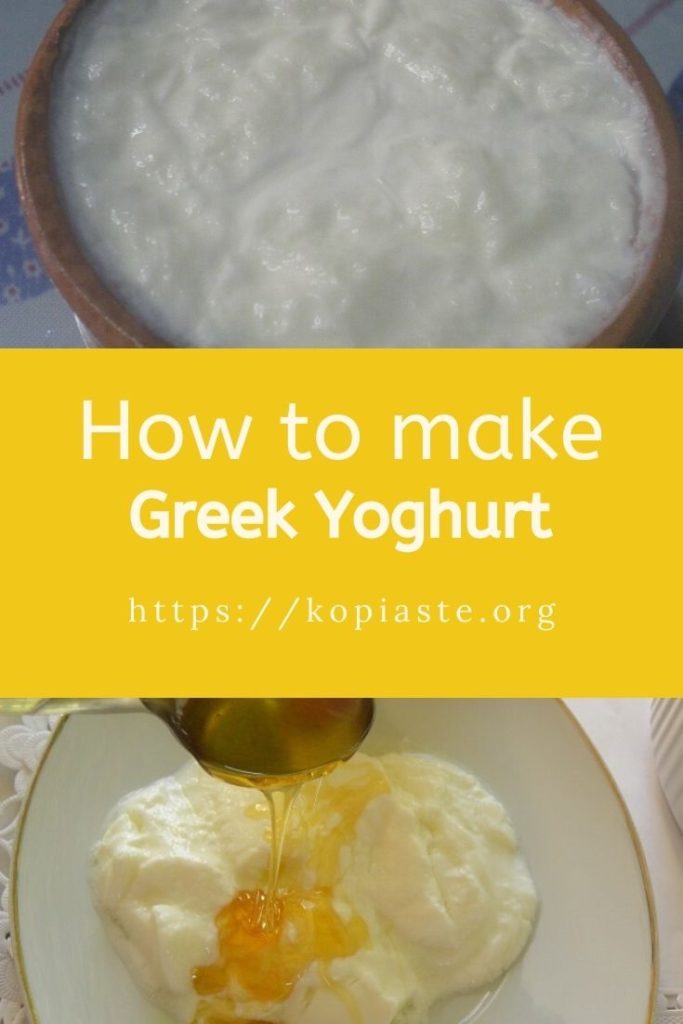
You can eat Greek yoghurt as it is, mixed with a juicy fruit or add honey, pecans, pistachios and cherry spoon sweet with syrup as I did in the picture below, or only with honey, with fresh fruit, or with any other kind of spoon sweets.
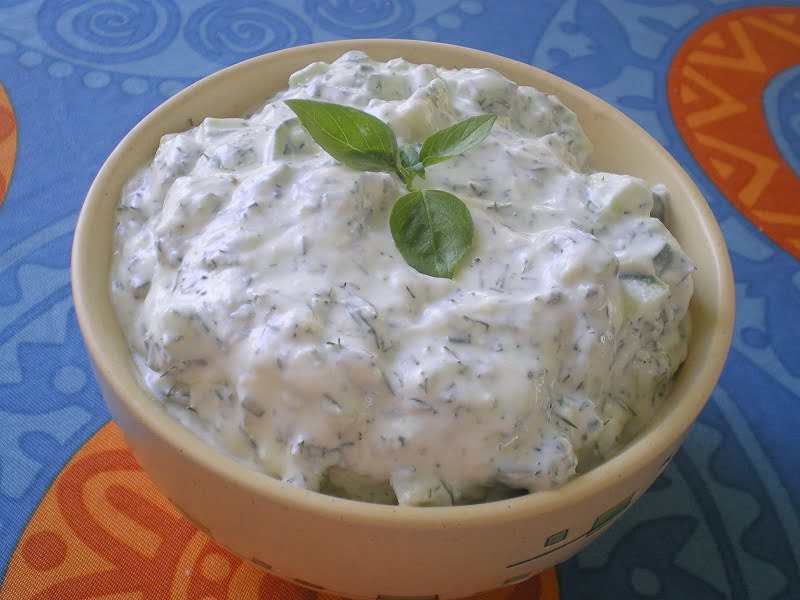
You can use it to make other desserts, to marinate meat, in pasta dishes or use it to make tzatziki, as a substitute for sour cream and in so many other ways.
Don't forget to save some of your yoghurt to use it as a starter the next time. You can freeze it and use it whenever you like.
How to make Greek Yoghurt
Yiaourti strangisto (pr. yeeah-OUR-tee strahn-ghee-STOH) is yogurt that has been strained to remove most of its whey, resulting in a thicker consistency.
Ingredients
- 1 litre fresh milk (cow's, goat or sheep milk)
- 100 grams yoghurt with live cultures
Instructions
- Put the yoghurt in a bowl and whisk with 1 tablespoon milk and reserve.
- In a double boiler heat the milk for about fifteen minutes If you have a thermometre the temperature should reach 85C (185F) degrees.
- Remove from the heat and allow the temperature to fall to 42 - 44C (110F) degrees or test with your pinky finger until you can bear the heat counting to five.
- With a ladle add the milk to the yoghurt, stirring until you add all the milk
- Cover with a clean tea towel and keep it in a warm environment without moving it for at least seven hours.
- You can then transfer it into smaller containers and strain it.
- Line a colander with cheesecloth or a clean linen kitchen towel or a thick strong paper towel Make sure that the paper towel will not fall apart when it is wet Put the colander in a bowl where there will be some space below for the water to drain. Check regularly and remove water
- Place in the refrigerator until it reaches a thick consistency.
Notes
Don't forget to save some of your yoghurt to use it as a starter the next time You can freeze it and use it whenever you like.
Nutrition Information
Yield 1 kilo Serving Size 1Amount Per Serving Calories 591Total Fat 21gSaturated Fat 13gTrans Fat 0gUnsaturated Fat 7gCholesterol 89mgSodium 608mgCarbohydrates 59gFiber 0gSugar 7gProtein 41g
Recipes using Greek Yoghurt
Some more recipes with Greek yoghurt.
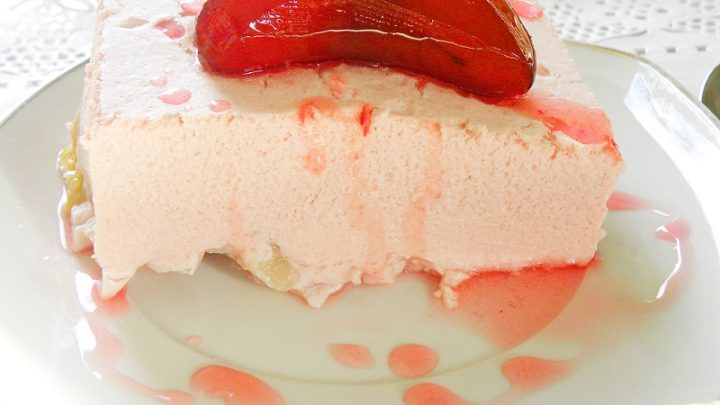
Yoghurt and Pomegranate Mousse
Delicious and velvety Greek Yoghurt was combined with whipped cream and pomegranate juice to make this mousse with a very light and airy texture.
Greek Yoghurt Ice Pops with Cherries and Lavender
Delicately infused lavender and cherry ice pops, smooth, rich, and creamy, with a dreamy lavender and cherry flavor with minimal calories!
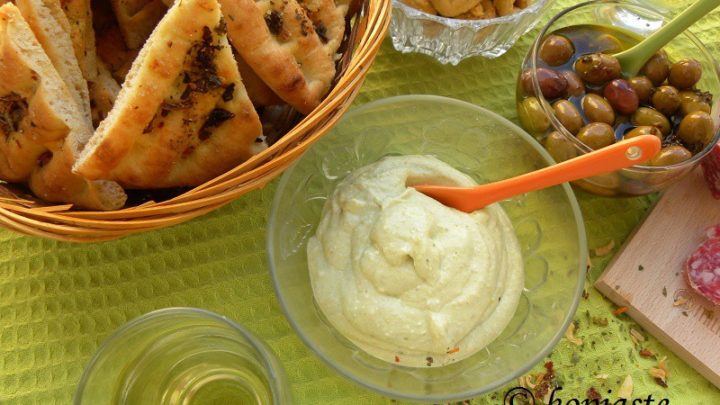


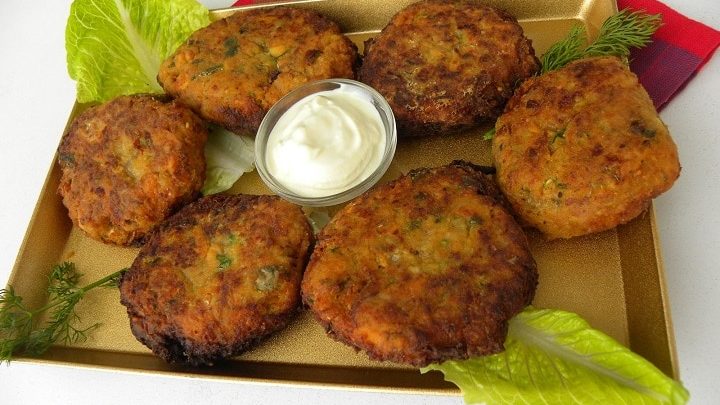
Vegetable Fritters with Yoghurt Feta Dip
These Vegetable Fritters are made with zucchini, carrots, and potato. They are great for lunch or as an appetizer and you will not be able to stop at one!

Chicken with Leeks, Greek Yoghurt and Kafkalithres Pesto
Chicken with Leeks is a very simple but delicious and light dish which can be whipped up in no time made with Greek yoghurt and pesto which makes a very creamy sauce. Â
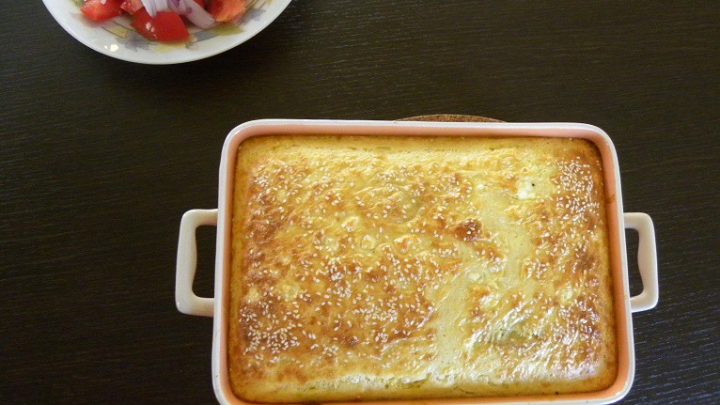
Chaniotiko Boureki with Greek Yoghurt (Savoury Zucchini, Potato Casserole)
Chaniotiko Boureki is a casserole dish with potatoes and zucchini which originates from the island of Crete. Â
Kopiaste and Kali Orexi!


Yummo Ivy - I love Greek yoghurt! It is quite expensive here, but really, really good. I miss Cleos at Prahran, who make my favourite Greek yoghurt.
Hi Ivy - this looks great! I just made yogurt today as well. I use the powdered cultures when I make the mother batch of yogurt, and then I save a few tablespoons of the yogurt for the next batch and so on. I have yet to strain my homemade yogurt, but I think I might do half of it this time around!
Hi Ivy! I remember my grandmother would wrap the yoghurt in a blue wool blanket and we were told not to come near it!
Homemade yoghurt is the best! Mmmm I love your uses for it Ivy ... and all the assorted tzatzakiki recipes ...
Making your own yogurt sounds like fun!
Hi Ivy, I love Greek yogurt and luckily I can easily find it around here but I'm going to give it try and follow your recipe. I love yogurt and honey combination! Thank you.
Happy Holidays!
Hi Ivy, what a wonderful site!
It's a pity Fage (one of the only brands of Greek yogurt available in Belgium) stopped making its sheeps and goats yogurt (it is much healthier and especially this brand had very tasty yogurt)
it looks great and it seem like to Turkish Haydari.. its very very delicious..
it looks great.. and it seems like to Turkish Haydari.. its very very delicious..
Using cheesecloth to strain the yogurt works best, but don't leave it too long or it gets too thick. Recipe worked great for me setting my wrapped bowl over a crock pot on warm. Thanks!
Another great recipe of one of the best Greek dishes! 🙂
Mine is a little bit different: Greek yogurt recipe. I'd be glad to hear your opinion on it.
I did come to know about the many health benefits of yogurt recently and I shared the information with my readers so that more people could learn about it.
Ever since I learnt about Greek yogurt (It is unheard of in India- where I live), I have been wanting to make some at home. More so because it is not available at any supermarkets here. Thanks for sharing the simple method. I'll surely try that out and get back to you with the results.
We, in India, dip our finger in milk to see if the temperature is just right for curdling even for making yogurt. No thermometers et al.
I am sure I'll be able to get it just right. 🙂
Lovely share.
Ambika, thank you for visiting. I am sure you will get it right, only make sure the yoghurt you use has live cultures.
thanks for recipe, I am gonna give it a try and let's see how it comes out:)
Wish me luck